Comparing Tire Options: Finding the Perfect Match for Your Driving Needs
BT
When it comes to selecting the right tires for your vehicle, the options can seem overwhelming. With so many brands, types, and specifications available, how do you find the perfect match for your driving needs? In this guide, we'll break down the key considerations to help you make an informed decision.
Understanding Tire Types
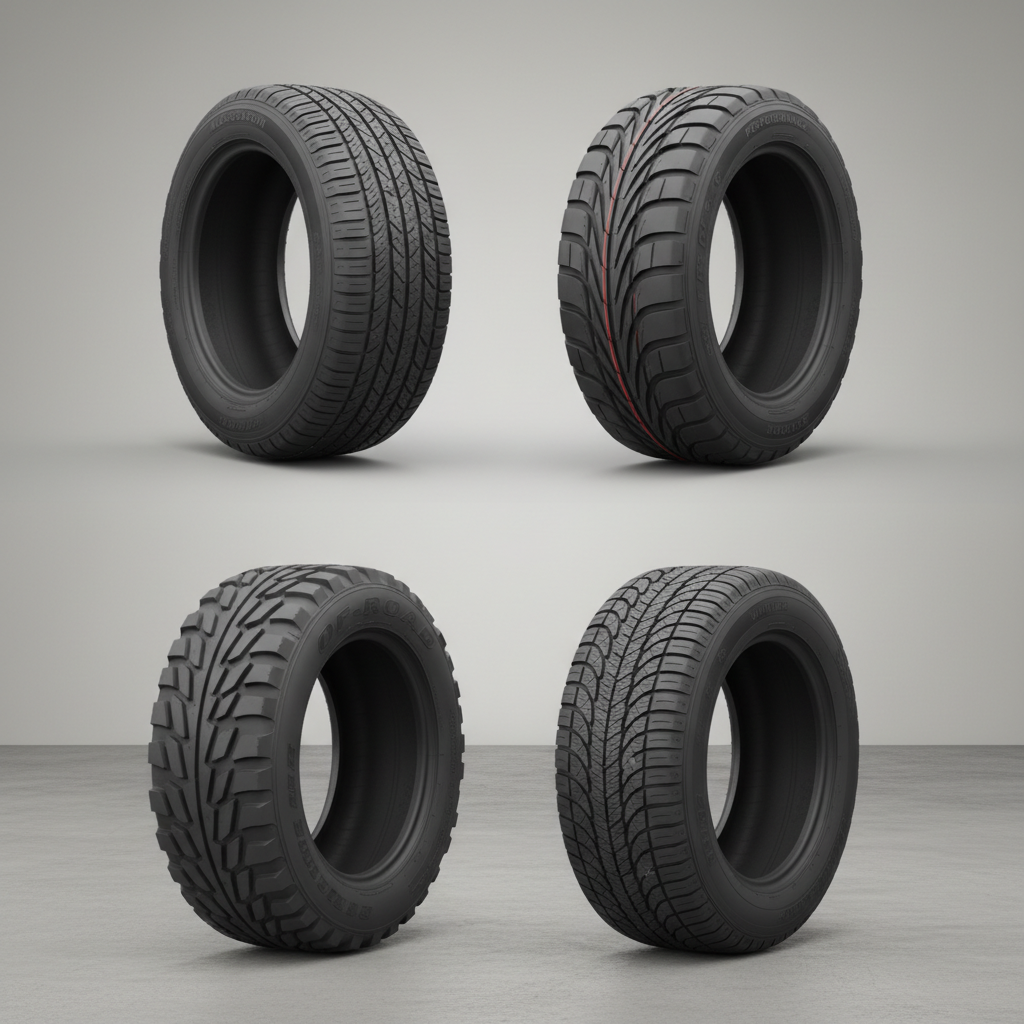
Before choosing a tire, it's essential to understand the different types available. Each serves a specific purpose, tailored to various driving conditions and preferences.
All-Season Tires
All-season tires are designed to perform well in a variety of conditions, from dry roads to light snow. They offer a balanced combination of performance, comfort, and durability. These tires are ideal for drivers who experience mild weather changes and want a versatile option.
Winter Tires
Winter tires are specifically engineered for cold temperatures and snowy or icy roads. They feature deeper treads and softer rubber compounds, providing enhanced grip and safety in harsh winter conditions. If you live in an area with severe winters, winter tires are a must-have.
Performance Tires
For those who prioritize speed and handling, performance tires are the way to go. These tires offer improved cornering, braking, and acceleration. However, they may wear out more quickly and are best suited for sports cars or performance vehicles.
Factors to Consider
When comparing tire options, several factors should influence your decision. Consider the following:
- Climate: Choose tires that match your local weather conditions.
- Driving Habits: Consider how and where you drive most often.
- Budget: Tires come in a wide price range; find a balance between cost and quality.
Your driving experience will significantly impact your tire choice. Whether it's daily commuting or off-road adventures, there's a tire suited for your needs.
Reading Tire Specifications
Tire specifications can often be confusing. Here’s how to make sense of the numbers and letters on a tire:
Size and Dimensions
The size of a tire is usually represented by a combination of numbers and letters, such as 205/55R16. This indicates the width, aspect ratio, and rim diameter. Ensure that the size matches your vehicle's requirements.

Load Index and Speed Rating
The load index represents the maximum weight a tire can support, while the speed rating indicates the maximum speed it can safely sustain. Both are crucial for ensuring safety and performance.
Making the Final Decision
Once you’ve narrowed down your options, it’s time to make the final choice. Consider consulting with a tire specialist to get personalized advice based on your vehicle and driving requirements.
Remember, the right tires not only enhance your driving experience but also contribute to your safety on the road. Choose wisely and enjoy the journey!