DIY Car Maintenance Tips for Sanford Residents: Save Money and Stay Safe
BT
Maintaining your car can seem like a daunting task, but with a bit of knowledge and effort, Sanford residents can save money and ensure their vehicles remain safe on the road. DIY car maintenance not only helps you understand your vehicle better but also extends its lifespan.
Regular Oil Changes
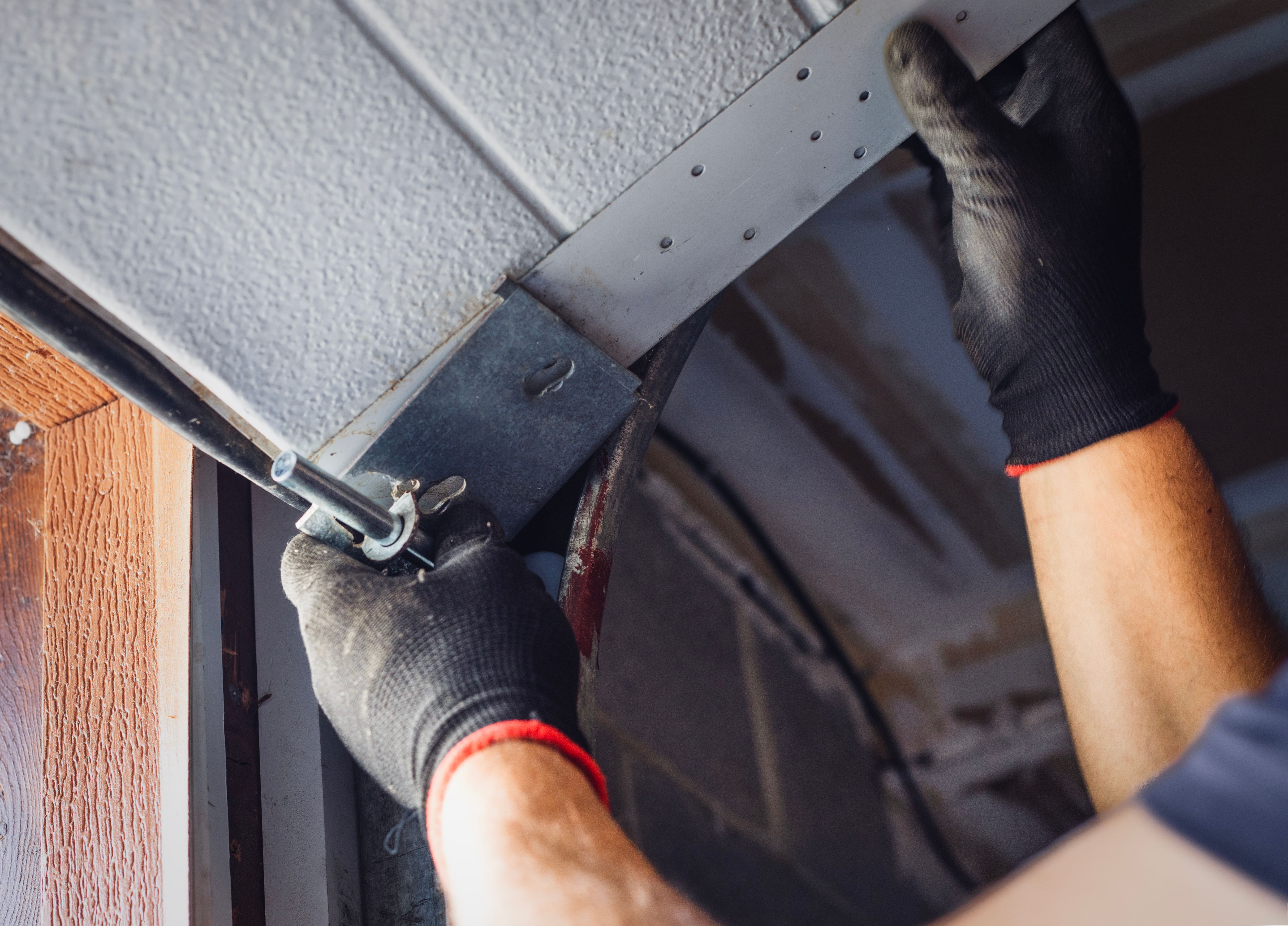
One of the simplest yet most crucial maintenance tasks is changing your car's oil. Regular oil changes ensure that your engine runs smoothly and efficiently. Most vehicles need an oil change every 3,000 to 5,000 miles, but always refer to your owner’s manual for specific recommendations. To change the oil yourself, you’ll need the right oil type, an oil filter, a wrench, and a container to catch the old oil.
Steps to Change Oil
- Warm up your car slightly to thin the oil.
- Turn off the engine and place a pan under the oil pan plug.
- Remove the plug and let the old oil drain completely.
- Replace the oil filter and plug, then add new oil.
Check and Replace Air Filters
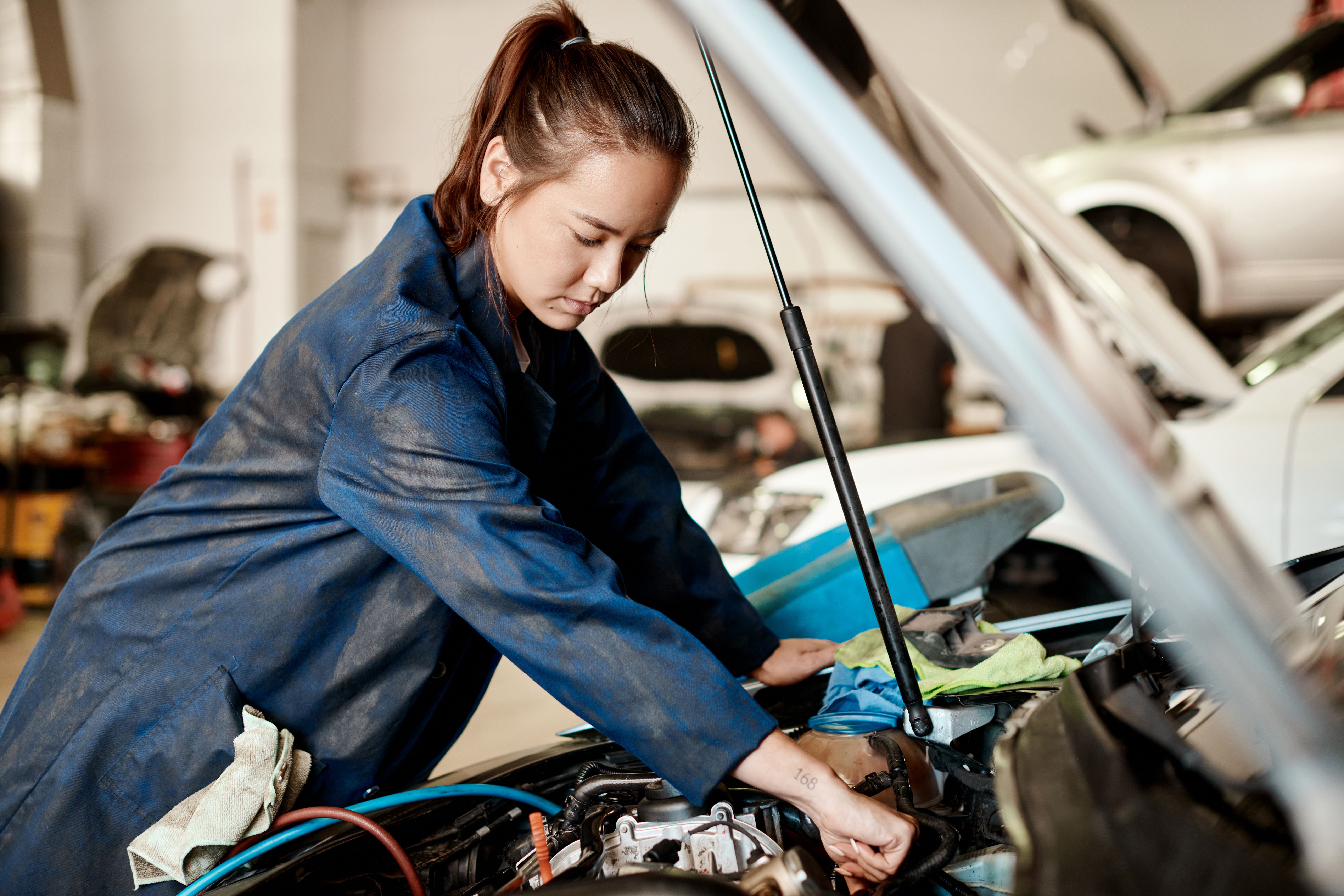
Air filters prevent dirt and debris from entering your engine. A clogged filter can reduce your gas mileage and engine performance. Typically, air filters should be checked every 12,000 to 15,000 miles. Fortunately, replacing an air filter is straightforward and can be done in a few minutes.
How to Replace Air Filters
- Locate the air filter box, usually a black plastic box near the engine.
- Open the box and remove the old filter.
- Insert the new filter and close the box securely.
Inspect and Maintain Tires
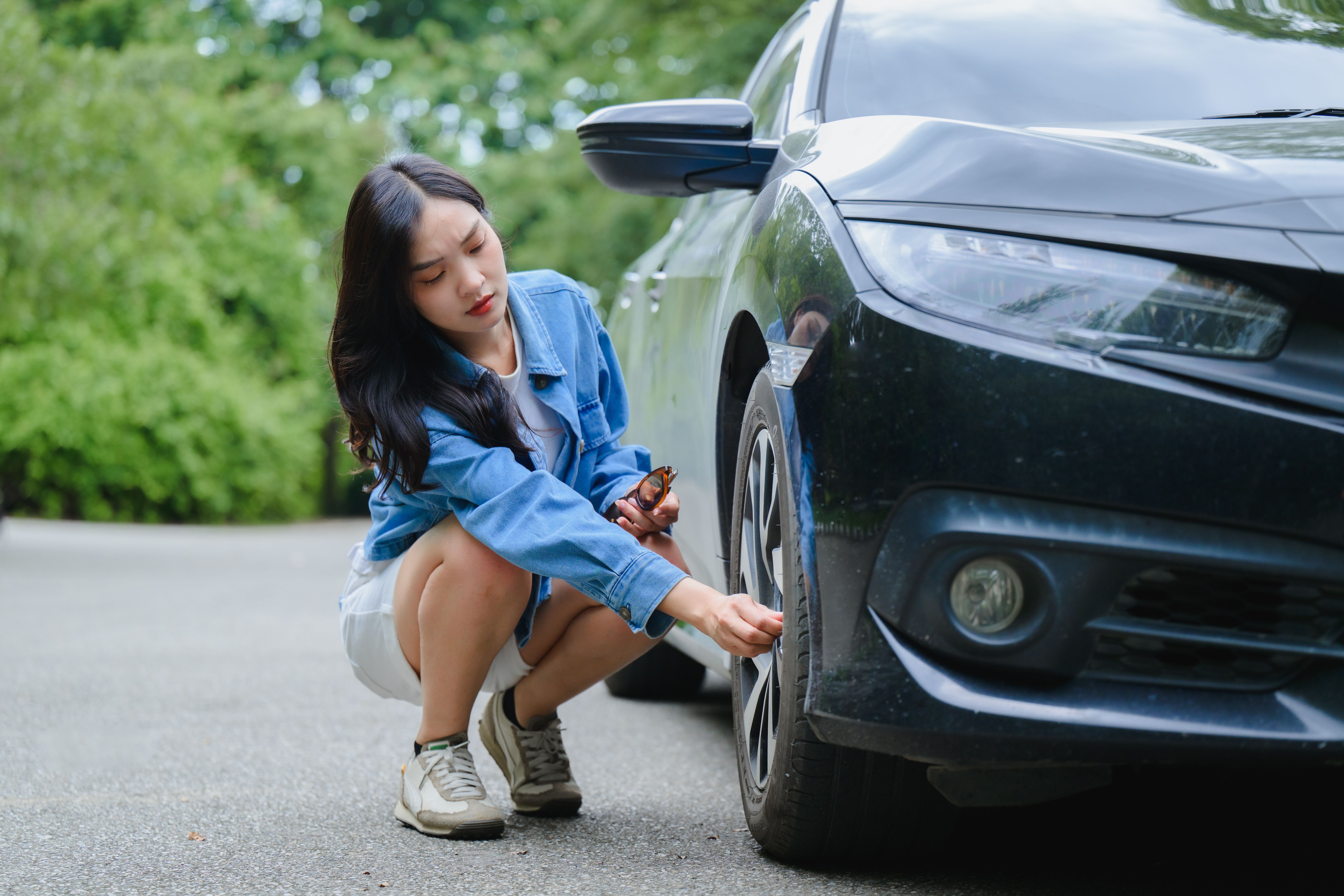
Tires are crucial for safety, affecting handling, braking, and fuel efficiency. Regularly check the tire pressure and tread depth. Properly inflated tires wear more evenly and improve fuel efficiency. Use a tire pressure gauge to check the pressure monthly and inflate them according to the manufacturer’s guidelines.
Tire Rotation
Rotating your tires every 6,000 to 8,000 miles promotes even wear and extends their lifespan. While this task can be done at home, it requires a jack and stands, so ensure you have the right equipment and knowledge before attempting it.
Brake Maintenance
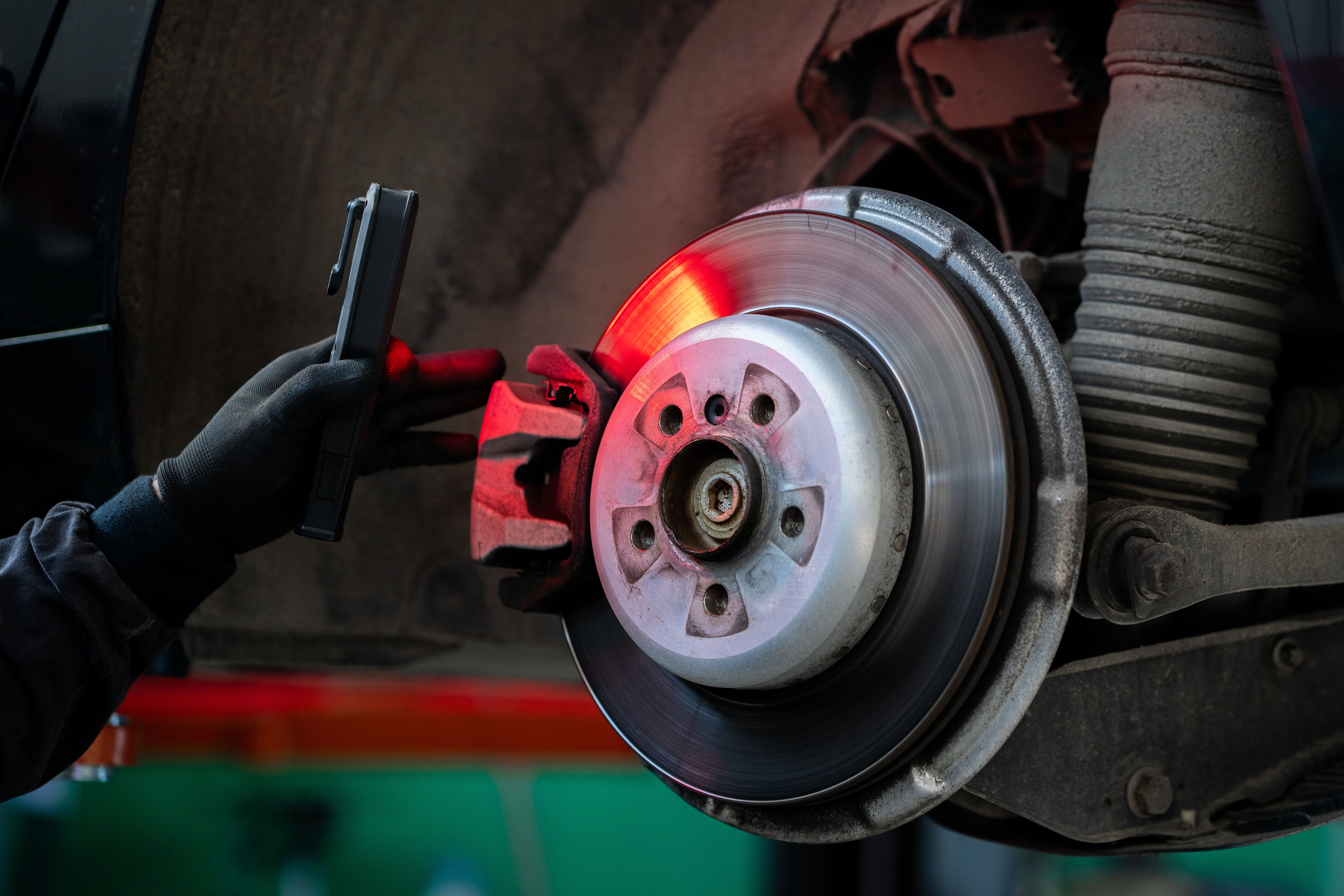
Your brakes are your car’s most important safety feature. Regularly inspect the brake pads for wear and replace them if they are less than a quarter-inch thick. Listen for squealing or grinding noises, as these can indicate that your brakes need attention.
By following these DIY car maintenance tips, Sanford residents can confidently maintain their vehicles, ensuring safety and reducing repair costs. While these tasks are manageable, always prioritize safety and consult a professional if you’re unsure about any procedure.