DIY Tire Maintenance: Expert Tips for Longer Tire Life
BT
Understanding Tire Basics
Proper tire maintenance is crucial for ensuring the safety and performance of your vehicle. Tires are the only contact between your car and the road, making their upkeep essential. Basic knowledge about tire types, sizes, and pressure can go a long way in maintaining them.

Check Tire Pressure Regularly
Maintaining the correct tire pressure is vital for optimal performance and longevity. Incorrect pressure can lead to premature wear and tear. It's recommended to check your tire pressure at least once a month and before long trips. Use a reliable tire pressure gauge for accurate readings.
Refer to your vehicle's manual or the sticker inside the driver's door for the recommended pressure levels. Remember, under-inflated tires can decrease fuel efficiency, while over-inflated ones may lead to a rougher ride.
Rotate Your Tires
Tire rotation is an essential practice to ensure even wear across all tires. It involves changing the position of each tire on your vehicle. Regular rotation every 5,000 to 7,500 miles can prolong tire life and improve performance.
Inspect for Wear and Tear
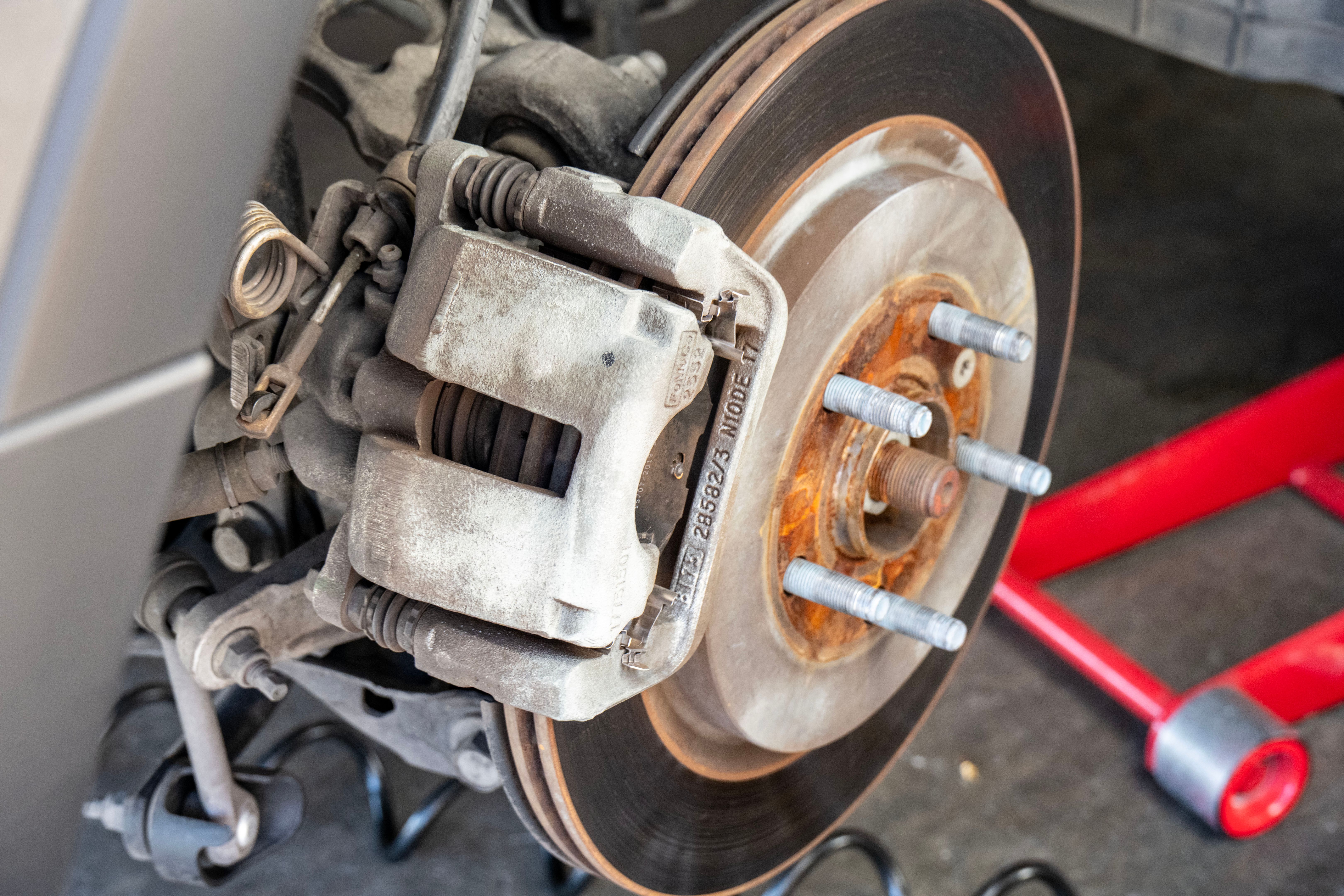
Regular inspection for signs of wear and tear is crucial. Look for uneven tread wear, cracks, or bulges on the sidewalls. Uneven wear might indicate alignment issues or improper tire pressure. Address these signs promptly to prevent potential problems.
Ensure Proper Alignment and Balance
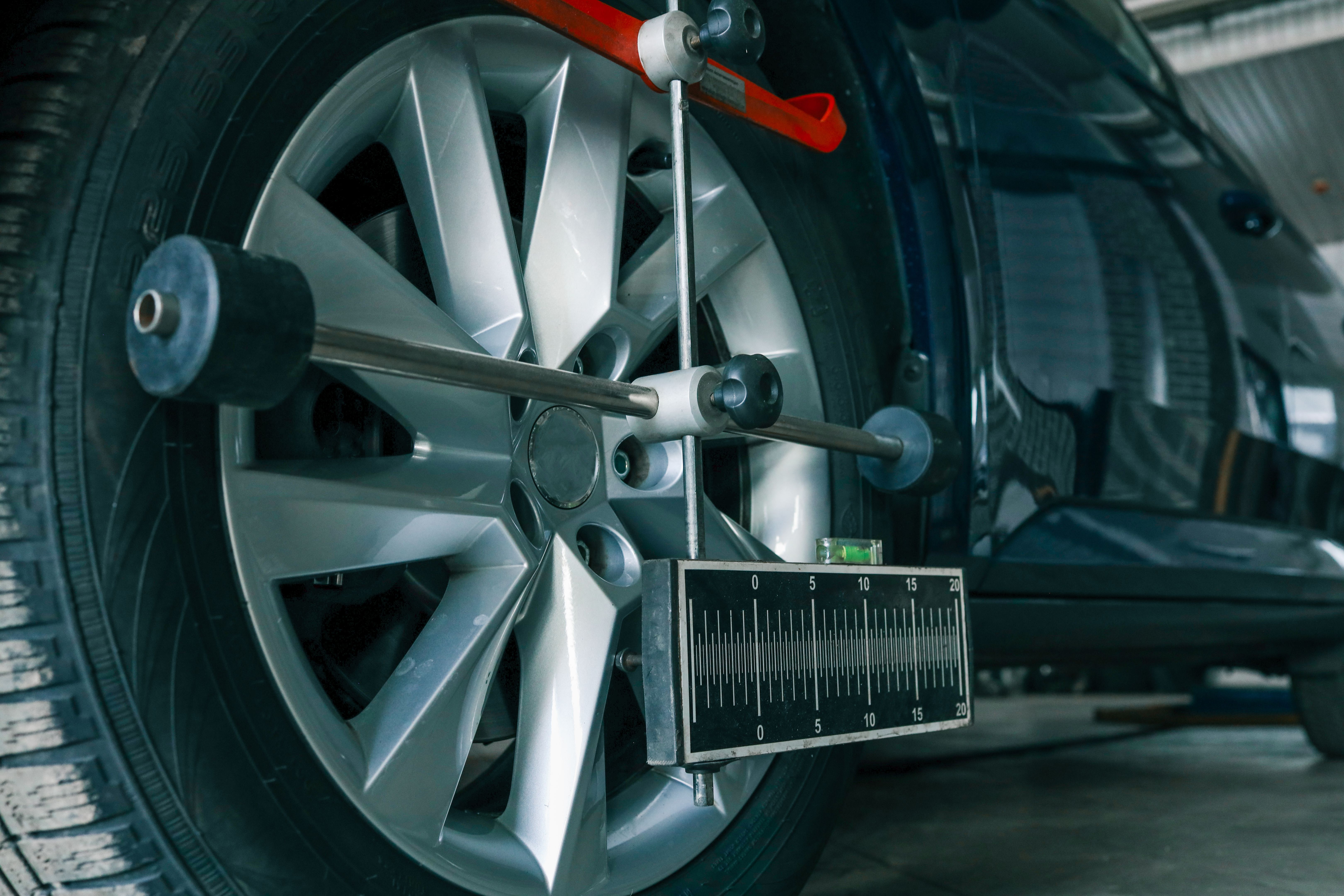
Wheel alignment and balancing are critical for tire longevity. Misalignment can cause uneven tire wear and affect vehicle handling. If you notice your vehicle pulling to one side or steering wheel vibrations, it might be time for an alignment check.
Keep Tires Clean
Keeping your tires clean not only enhances their appearance but also prevents the buildup of harmful substances. Use mild soap and water to clean tires regularly. Avoid harsh chemicals that might degrade rubber quality over time.
Store Tires Properly
If you use seasonal tires, proper storage is key. Store them in a cool, dry place away from direct sunlight and sources of ozone, like electric motors. Keep them off the ground to prevent moisture absorption.

Know When to Replace
Even with the best maintenance, tires will eventually need replacement. Most tires have a tread wear indicator that shows when it's time to change them. Generally, if the tread depth is below 2/32 of an inch, it's time for new tires.
By following these expert tips, you can ensure your tires remain in top condition, providing safety and efficiency for your journeys. Regular maintenance not only extends tire life but also enhances your driving experience.