DIY Tire Maintenance: Expert Tips from Big T Tire & Automotive
BT
Regular tire maintenance is a critical aspect of vehicle care that many drivers overlook. At Big T Tire & Automotive, we believe that keeping your tires in top condition not only enhances your vehicle’s performance but also boosts safety on the road. In this guide, we’ll share expert tips on how you can maintain your tires yourself.
Understanding Tire Pressure
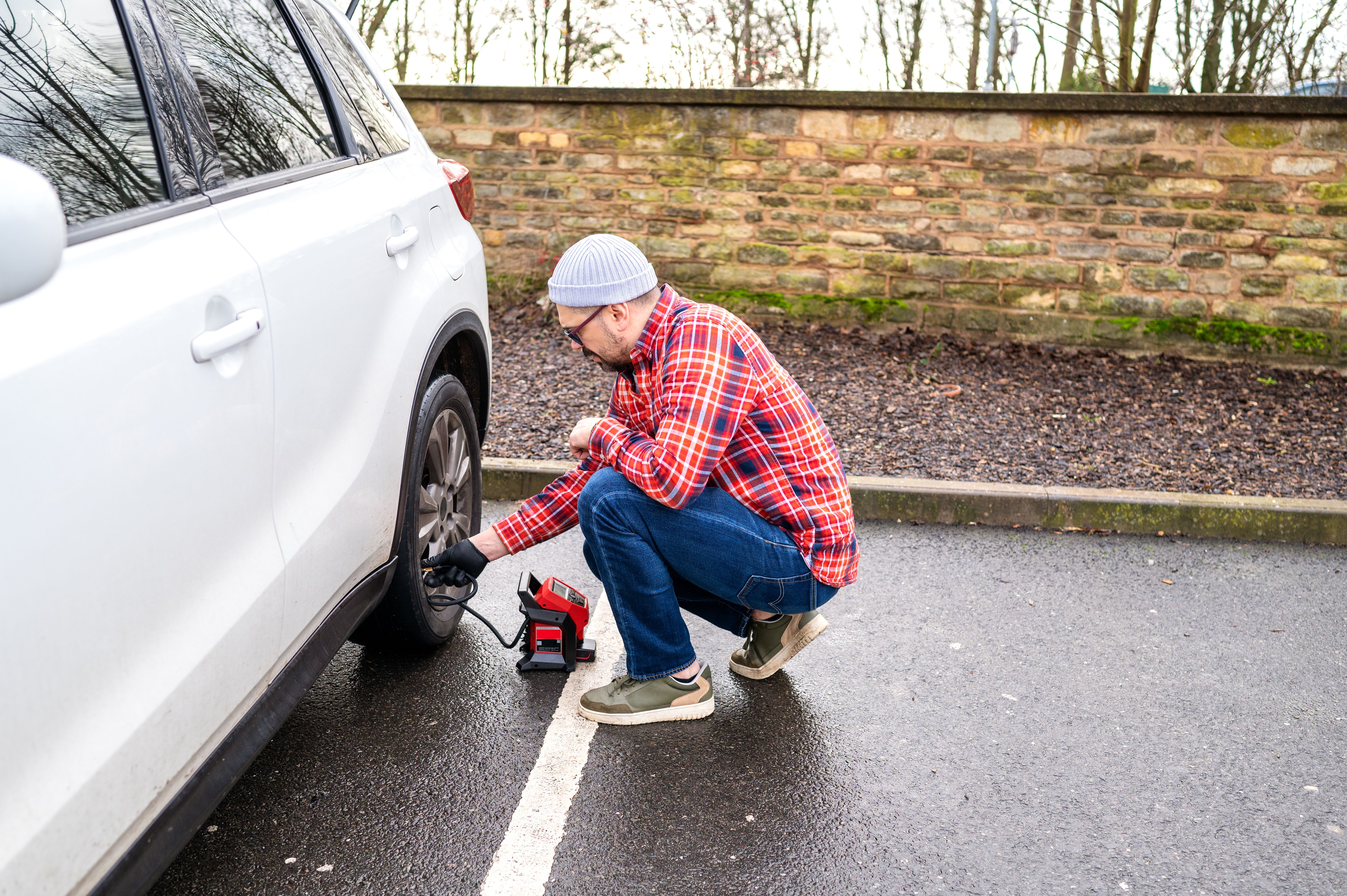
One of the simplest yet most effective ways to maintain your tires is by ensuring they are properly inflated. Tire pressure impacts fuel efficiency, handling, and tire longevity. It’s advisable to check your tire pressure at least once a month, using a reliable tire gauge.
Make sure to check the pressure when the tires are cold for the most accurate reading. Refer to your vehicle’s manual or the sticker on the driver’s side door jamb for the recommended PSI (pounds per square inch). Adjust the pressure as needed to match these specifications.
Inspecting Tread Depth
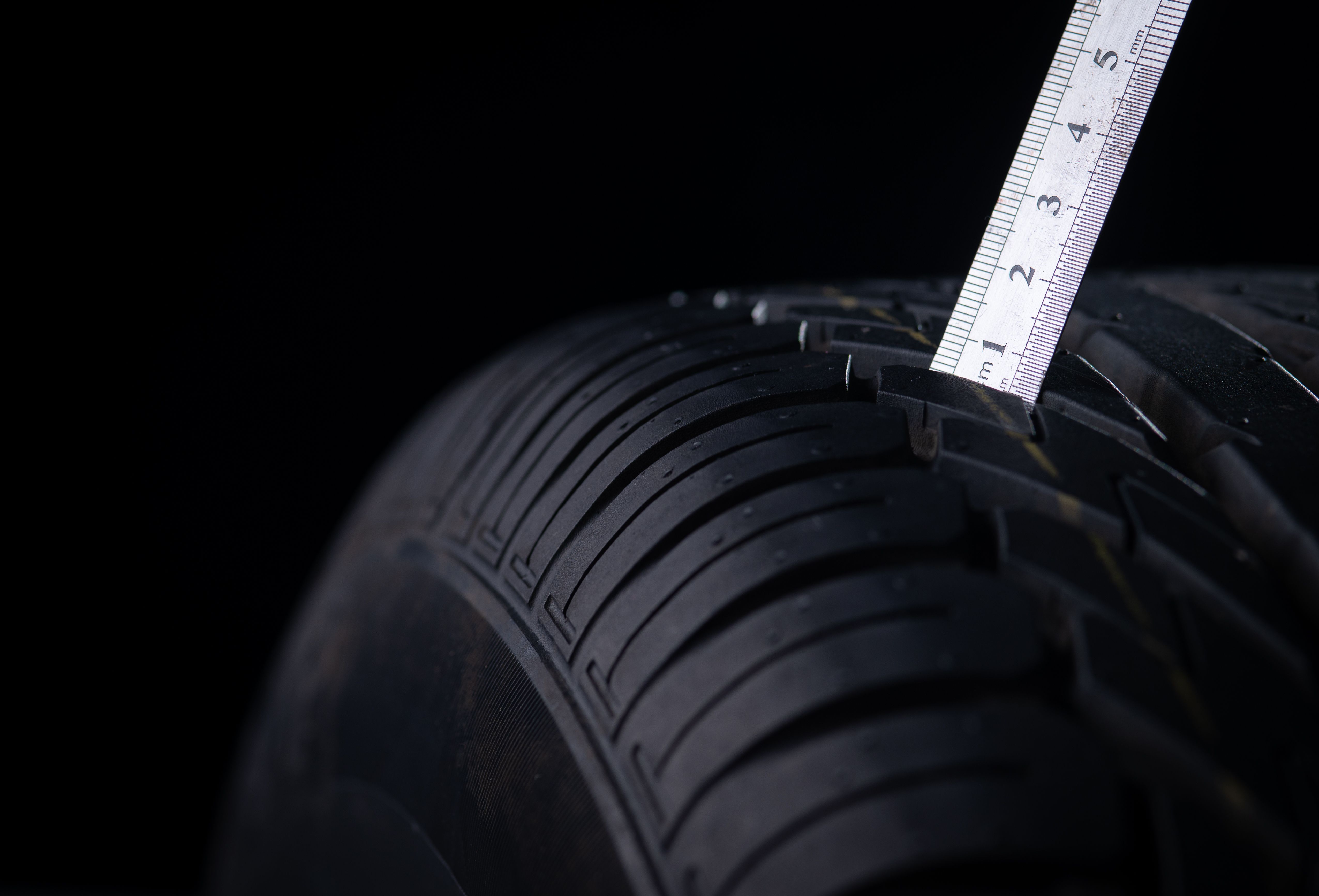
Tread depth is crucial for maintaining traction, especially in wet conditions. A quick and effective method for checking tread depth is the penny test. Insert a penny into the tread groove with Lincoln’s head upside down. If you can see the top of Lincoln’s head, it’s time to replace the tires.
Regularly inspecting your tread depth can help you avoid unexpected tire failures. Additionally, uneven tread wear might indicate alignment issues or improper inflation, which should be addressed promptly.
Rotating Your Tires
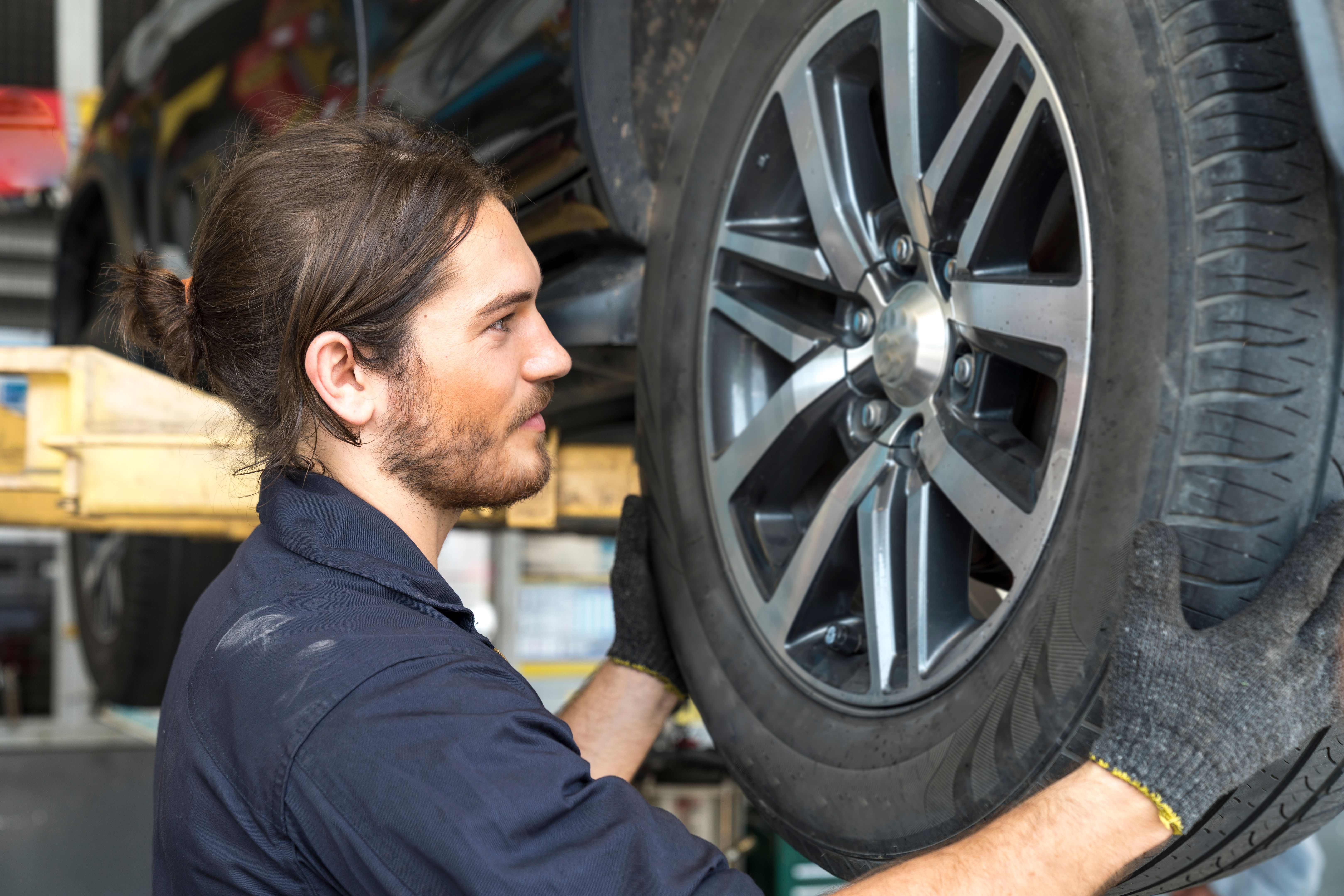
Rotating your tires helps ensure even wear and extends their lifespan. Typically, it’s recommended to rotate your tires every 5,000 to 8,000 miles. This interval can vary based on your vehicle’s make and model, so consult your owner’s manual for specific guidance.
When rotating tires, follow the recommended pattern. For example, front-wheel-drive vehicles usually require a different pattern than rear-wheel or all-wheel-drive vehicles.
Balancing and Alignment
Proper balancing and alignment are key to smooth driving and tire longevity. Unbalanced tires can lead to vibrations and uneven wear, while misalignment can cause your vehicle to pull to one side. It’s best to have these services performed by professionals, but regular checks are essential.
Signs that your tires may need balancing or alignment include uneven wear, steering vibrations, or if the vehicle pulls to one side. Addressing these issues promptly will help prevent further wear and tear.
Storing Tires Properly
If you use seasonal tires, proper storage is crucial to maintaining their condition. Store tires in a cool, dry place, away from direct sunlight and heat sources. Ideally, they should be stored vertically to prevent deformation.
Before storing, clean your tires thoroughly to remove dirt and debris. Cover them with a tire bag or cloth to protect them from dust and moisture.
Conclusion
By following these DIY tire maintenance tips from Big T Tire & Automotive, you can enhance your vehicle’s performance and ensure safety on the road. Regular checks and simple upkeep can prevent costly repairs and extend the life of your tires, making them a worthwhile investment.
Remember, while DIY maintenance is useful, professional inspections are also important. Don’t hesitate to visit a trusted automotive service center if you notice anything unusual with your tires.