DIY Tire Maintenance: Extend the Life of Your Tires
BT
Understanding Tire Maintenance
Maintaining your tires is crucial for ensuring safety on the road and getting the most out of your investment. Proper maintenance can significantly extend the life of your tires, saving you money and enhancing your vehicle's performance. In this guide, we’ll explore some essential DIY tire maintenance tips that you can easily implement.
Check Tire Pressure Regularly
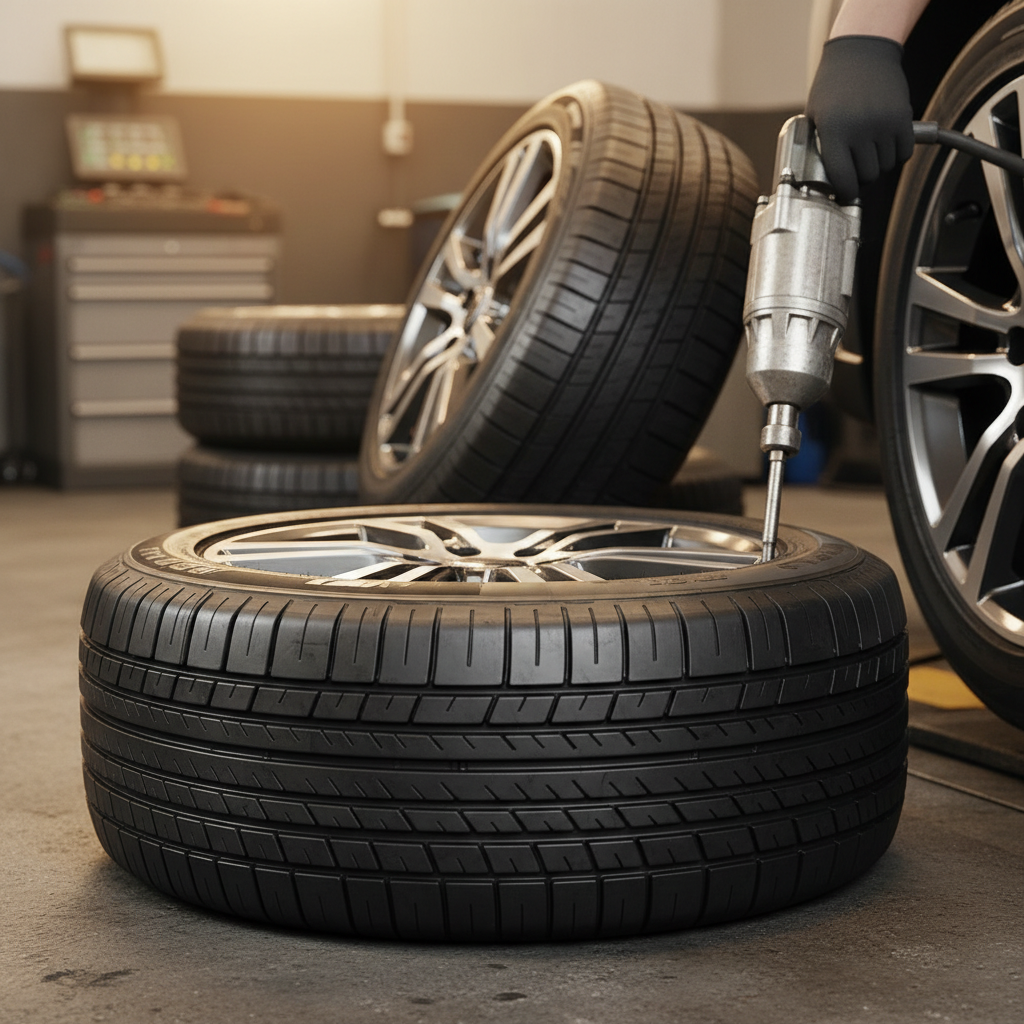
One of the simplest yet most effective ways to maintain your tires is by regularly checking their pressure. Under-inflated tires can lead to increased wear and reduced fuel efficiency. It’s recommended to check your tire pressure at least once a month and before long trips. Always use a reliable tire pressure gauge and refer to your vehicle’s manual for the recommended pressure levels.
Properly inflated tires not only last longer but also improve your car’s handling and braking efficiency. If you notice frequent pressure drops, it might be time to inspect for leaks or damage.
Rotate Your Tires
Rotating your tires is another vital step in tire maintenance. This process helps ensure even tire wear and extends the lifespan of your tires. Typically, you should rotate your tires every 5,000 to 7,500 miles, but always refer to your vehicle’s manual for specific recommendations.
When rotating your tires, follow the recommended pattern for your type of vehicle, whether it’s front-wheel, rear-wheel, or all-wheel drive. Consistent rotation can prevent uneven tread wear and improve overall tire performance.
Inspect Tread Depth
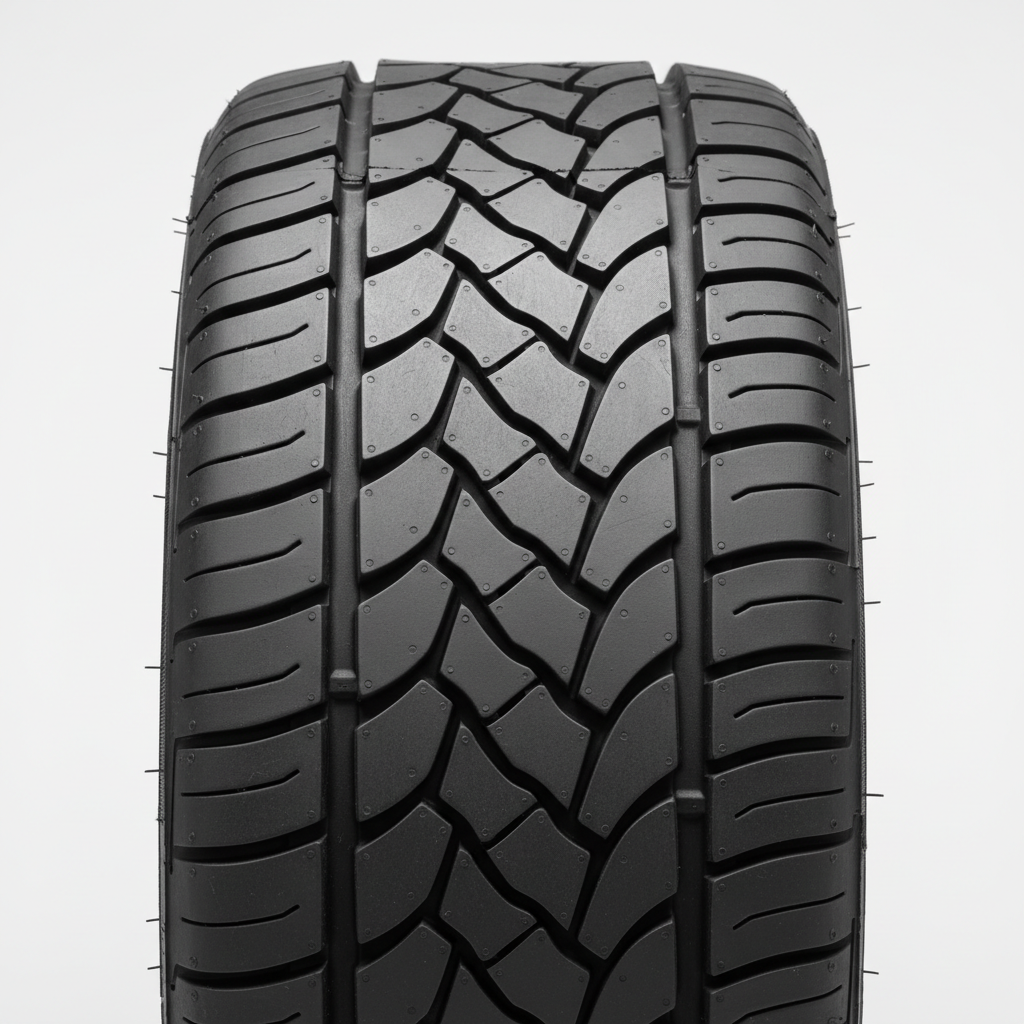
Tread depth plays a crucial role in your vehicle’s traction and safety. To check tread depth, you can use a simple penny test. Insert a penny into the tread grooves with Lincoln’s head upside down. If you can see the top of Lincoln’s head, it’s time to replace your tires.
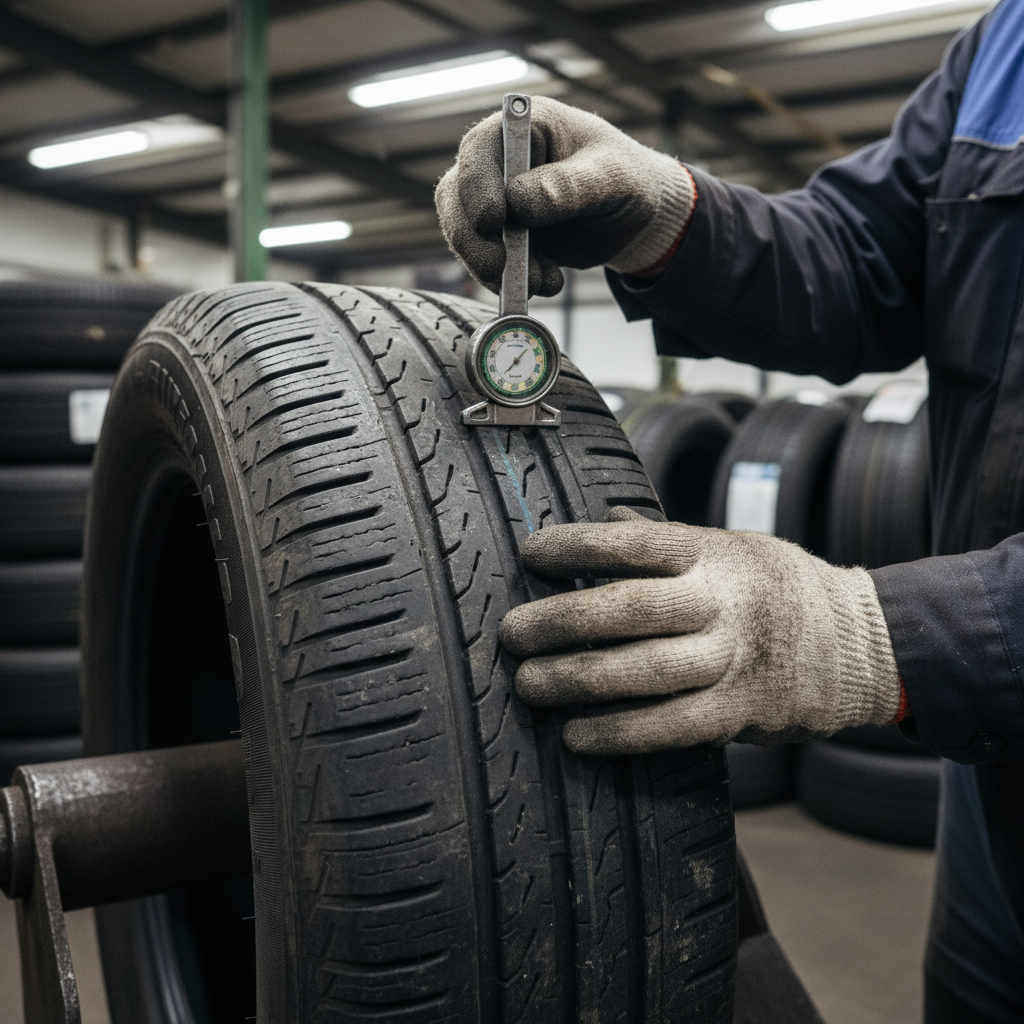
For more precise measurements, consider investing in a tread depth gauge. Maintaining adequate tread depth ensures better grip, especially in wet conditions, reducing the risk of hydroplaning.
Balance and Align Your Tires
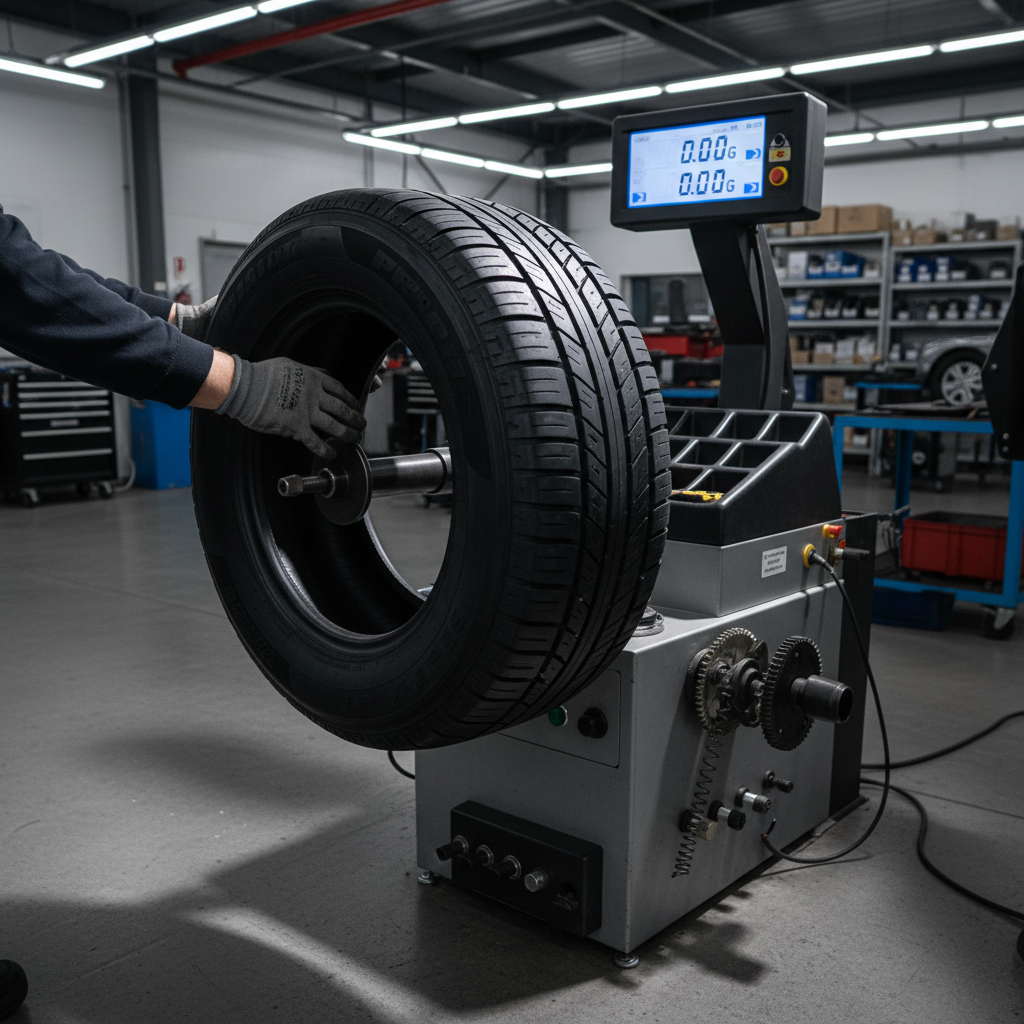
Wheel balancing and alignment are key factors in tire maintenance. Unbalanced tires can cause vibrations and uneven wear, while misalignment can affect your vehicle’s handling. It’s advisable to have your tires balanced and aligned every 10,000 to 12,000 miles or if you notice uneven wear patterns.
Professional balancing and alignment can enhance ride comfort and prolong tire life. If you notice your vehicle pulling to one side, it might be time to get an alignment check.
Regularly Inspect for Damage
Regular inspections for cuts, punctures, or sidewall damage can prevent unexpected tire failures. Make it a habit to visually inspect your tires for any visible signs of damage, especially after driving on rough terrains.
Address any damage promptly to avoid further complications. In some cases, minor punctures can be repaired, but significant damage may require tire replacement.
Conclusion
By implementing these DIY tire maintenance tips, you can ensure a safer driving experience while extending the life of your tires. Regular maintenance not only saves money but also contributes to better vehicle performance and safety. Remember, a little effort goes a long way in maintaining the health of your tires.