DIY Tire Maintenance Tips for Sanford Drivers: Extend Your Tire Life
BT
Understanding Tire Pressure
Maintaining the correct tire pressure is essential for safe driving and extending the life of your tires. Properly inflated tires ensure better fuel efficiency and optimal traction on the road. It's recommended to check your tire pressure at least once a month.
To check your tire pressure, use a reliable pressure gauge. Compare the readings with the manufacturer's recommended levels, usually found in your vehicle's manual or on the door jamb. If needed, adjust the pressure accordingly.

Regular Tire Rotation
Tire rotation is another crucial aspect of tire maintenance. Rotating your tires every 5,000 to 7,500 miles helps to distribute wear evenly across all tires. This practice not only extends the life of your tires but also improves your vehicle's handling.
When rotating your tires, follow a pattern specified in your vehicle's manual. If you're unsure, consult with a professional or your local auto service center.
Inspecting Tire Tread
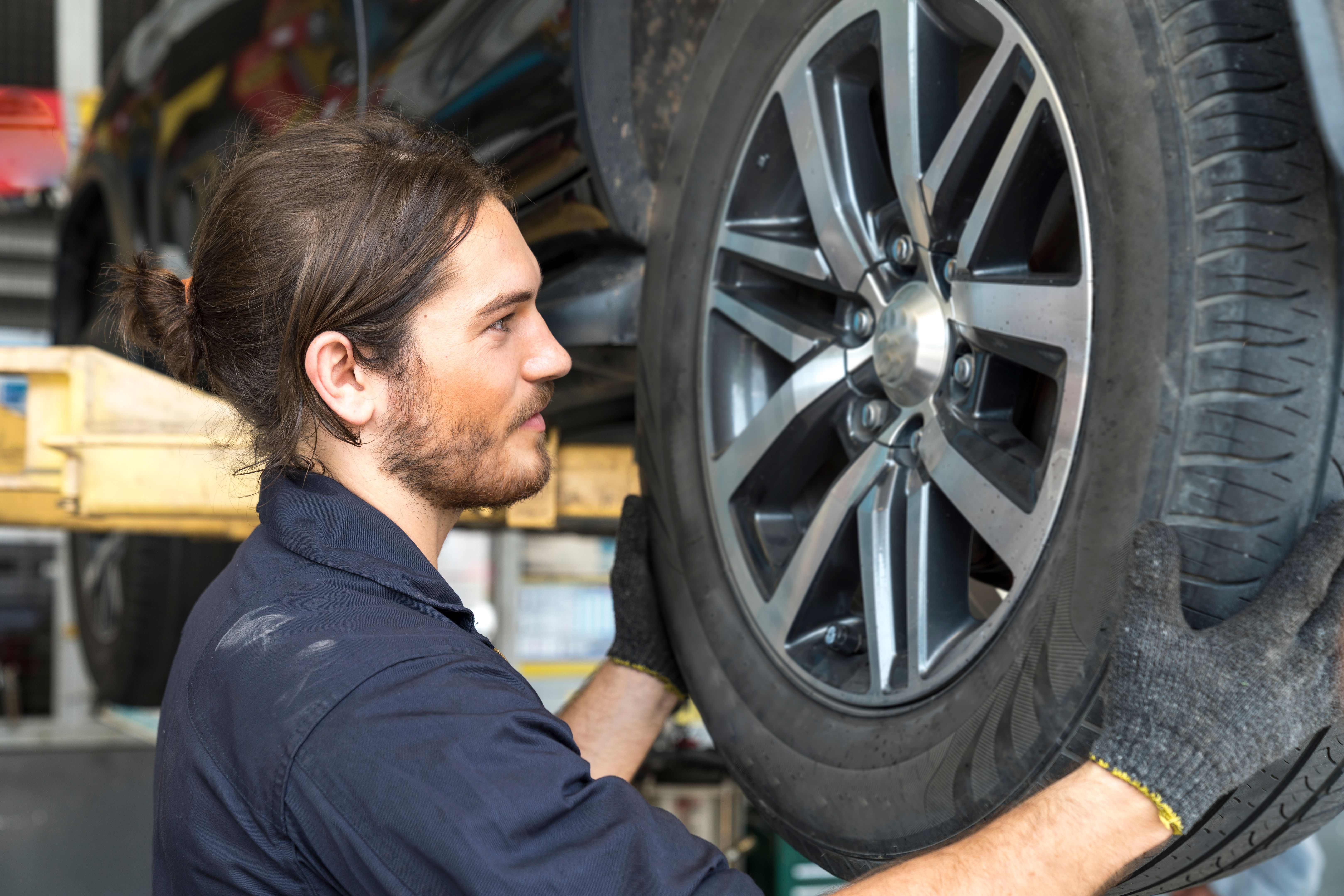
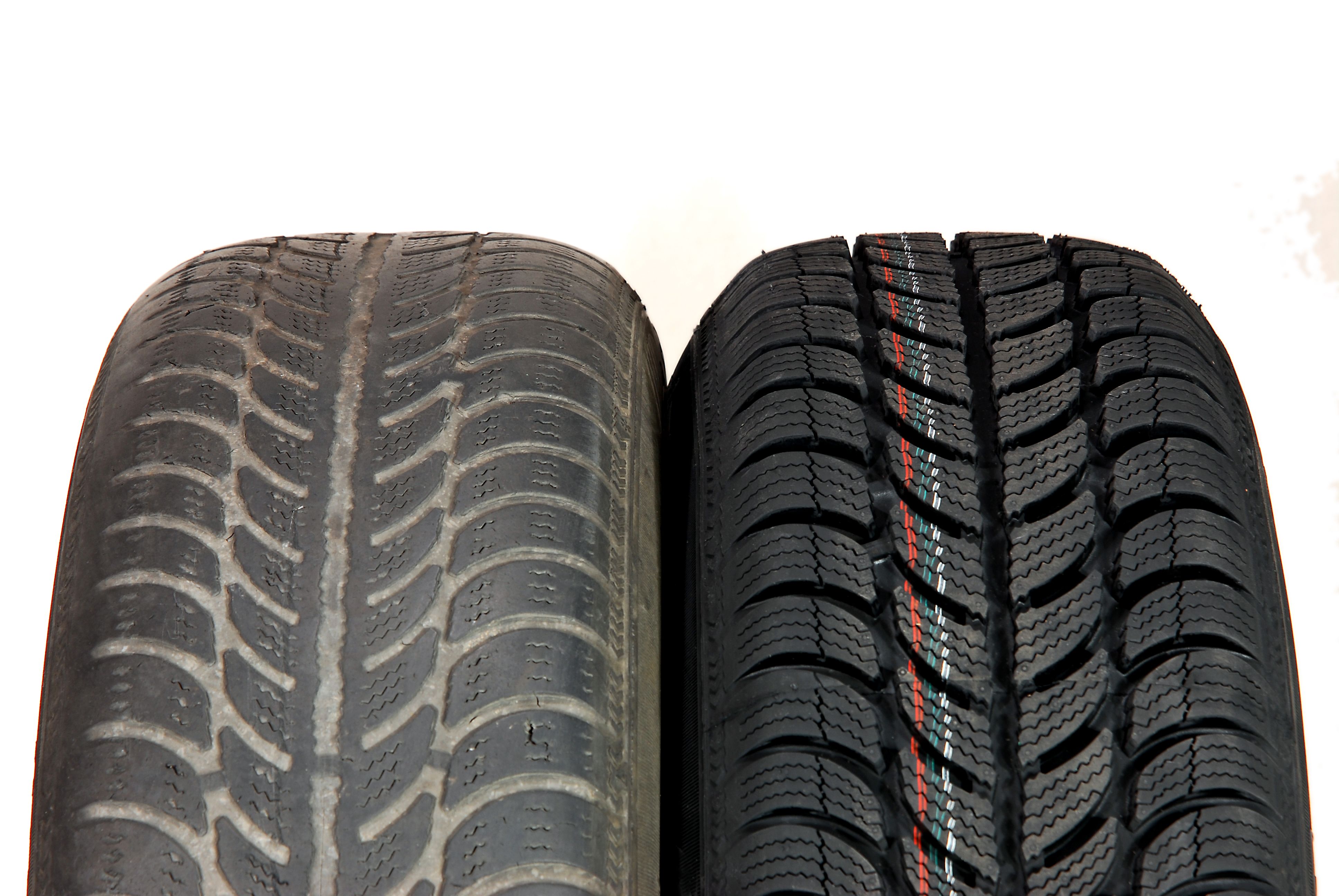
The tread on your tires is vital for maintaining traction, especially on wet or slippery roads. To check the tread depth, you can use a tread depth gauge or the penny test. Insert a penny into the tread groove with Lincoln's head upside down. If you can see the top of his head, it's time to replace your tires.
Regularly inspecting your tread can prevent accidents and ensure your vehicle performs optimally. Don't forget to look for uneven wear patterns, which might indicate alignment issues or improper inflation.
Balancing and Alignment
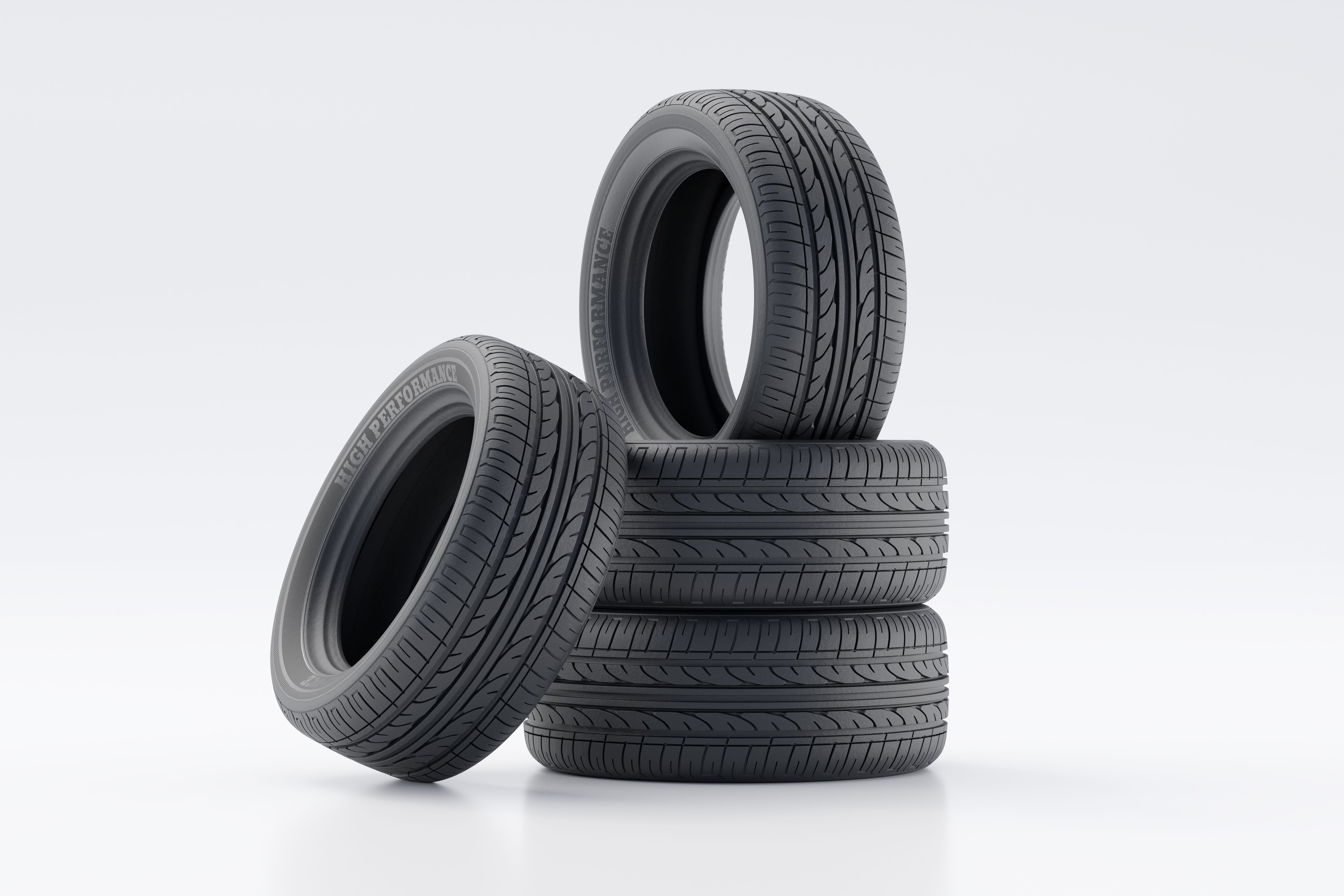
Balancing and alignment are often overlooked but critical for tire maintenance. Proper alignment ensures that your tires wear evenly, while balancing prevents vibrations and prolongs the lifespan of your tires.
If you notice your vehicle pulling to one side or experiencing unusual vibrations, it might be time to get your tires balanced and aligned. Regular checks every 6,000 miles can prevent unnecessary wear and tear.
Keeping an Eye on Tire Age
Even if your tires appear to have sufficient tread, their age can affect performance. Most manufacturers recommend replacing tires every six to ten years, regardless of wear. Check the tire's sidewall for the DOT code to determine the manufacturing date.
Driving on old tires can be dangerous, as they are more prone to blowouts and reduced traction. Keep an eye on their age and replace them when necessary to ensure safety.
Conclusion
By following these DIY tire maintenance tips, Sanford drivers can extend the life of their tires and enjoy a smoother, safer driving experience. Regular checks and timely interventions can save money in the long run and enhance vehicle performance. Remember, well-maintained tires are crucial for both safety and efficiency on the road.