Expert Advice: When and Why You Should Replace Your Tires
BT
Understanding Tire Wear and Its Impact
Tires are a critical component of your vehicle, directly affecting safety, performance, and fuel efficiency. Over time, tires wear down, reducing their ability to grip the road, especially in adverse weather conditions. Understanding when and why you should replace your tires is essential for maintaining optimal vehicle performance.
Worn-out tires can lead to longer stopping distances, reduced handling, and an increased risk of blowouts. Regularly inspecting your tires and being aware of the signs of wear can help you determine the right time for replacement.
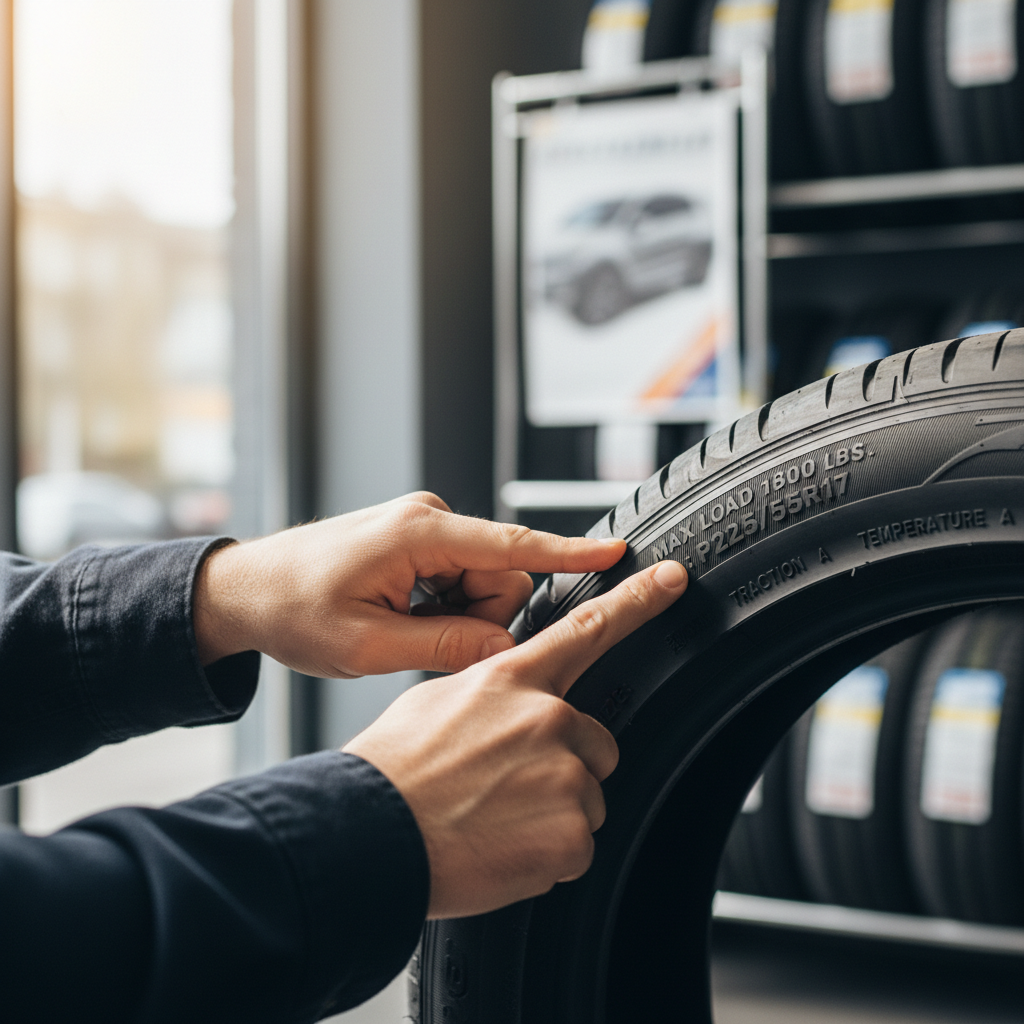
Signs You Need New Tires
Several indicators can help you decide when it's time to replace your tires. Here are some common signs:
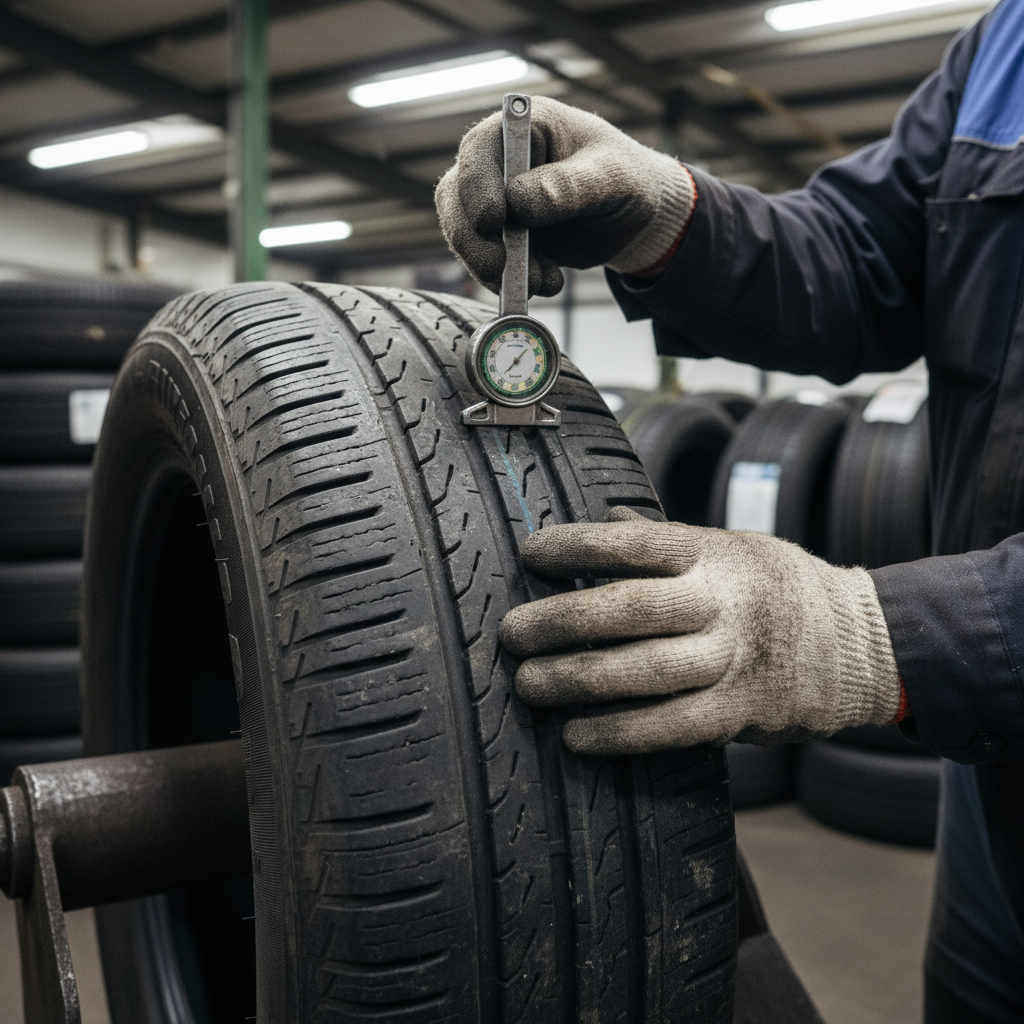
- Tread Depth: The tread depth should never fall below 2/32 of an inch. Use a tread depth gauge or the penny test to check.
- Cracks and Bulges: Visible cracks in the sidewalls or bulges indicate structural damage.
- Vibration: Excessive vibration while driving may suggest tire imbalance or internal damage.
Regularly checking these signs can prevent unexpected tire failures and ensure a smooth driving experience.
Understanding Tire Age
Tire age is another crucial factor in determining when to replace them. Even if a tire appears to be in good condition, age can compromise its integrity. Most manufacturers recommend replacing tires every six to ten years, regardless of tread wear.
To find the age of your tires, check the DOT code on the sidewall. The last four digits indicate the week and year of manufacture. For example, a code ending in "2219" means the tire was made in the 22nd week of 2019.
Impact of Driving Conditions
Driving conditions significantly influence tire wear. If you frequently drive on rough roads, in extreme temperatures, or carry heavy loads, your tires may wear out faster. Regularly rotate your tires and maintain proper inflation to extend their lifespan.
Consider purchasing tires designed specifically for your typical driving conditions. All-season tires, winter tires, and performance tires each have unique benefits that can enhance safety and efficiency.
Benefits of Timely Tire Replacement
Replacing tires at the right time offers numerous benefits. New tires provide improved traction, better fuel efficiency, and a smoother ride. They also enhance the overall safety of your vehicle, especially in wet or icy conditions.
Investing in quality tires and timely replacements can lead to long-term savings by reducing the likelihood of accidents and minimizing fuel consumption.
Conclusion
Regular tire maintenance and timely replacement are vital for ensuring your vehicle's safety and performance. By understanding the signs of tire wear, the impact of tire age, and the benefits of new tires, you can make informed decisions that enhance your driving experience.
Always prioritize safety and consult with a tire expert if you're unsure about the condition of your tires. Their expertise can guide you in selecting the right tires for your needs, ensuring peace of mind on the road.