Expert Advice: When to Replace Your Tires and Why It Matters
BT
Ensuring your vehicle's tires are in top condition is crucial for safety, performance, and fuel efficiency. Worn-out tires can lead to accidents, decrease fuel efficiency, and increase stopping distances. But how do you know when it's time to replace them? Here’s expert advice on recognizing the signs and understanding why it matters.
Recognizing the Signs of Tire Wear
The first step in determining if your tires need replacing is to check for wear and tear. Look for visible signs such as cracks, bulges, or punctures. Additionally, inspect the tread depth. Tires should have at least 2/32 of an inch of tread. An easy way to check is using the penny test: insert a penny into the tire tread with Lincoln's head facing down. If you can see the top of his head, it's time for new tires.

The Impact of Tread Depth
Tread depth is crucial for maintaining traction, especially in wet or slippery conditions. Shallow tread depths reduce the tire's grip, increasing the risk of hydroplaning on wet roads. This can lead to loss of control and potentially serious accidents. Regularly checking tread depth ensures that your tires have enough grip to handle various driving conditions safely.
It's not just about safety; tread depth also affects fuel efficiency. Tires with insufficient tread can lead to increased rolling resistance, causing your vehicle to consume more fuel. Keeping an eye on tread depth is a simple way to enhance both safety and fuel economy.
Understanding Tire Age
Even if your tires appear to have adequate tread, age is another critical factor. Tires naturally degrade over time, with experts recommending replacement every six to ten years regardless of tread wear. The materials in the tire can harden and lose their elasticity, which can compromise performance and safety.
Checking the Tire’s Manufacturing Date
You can determine the age of your tires by checking the DOT code on the sidewall. The last four digits indicate the week and year the tire was manufactured. For instance, “2319” means the tire was made in the 23rd week of 2019. Keeping track of this date helps ensure your tires are replaced before they become a safety risk.
Why Regular Inspections Matter
Regular tire inspections can prevent unexpected failures and extend the lifespan of your tires. Inspecting your tires regularly for uneven wear can help identify alignment or suspension issues early, preventing further damage. Routine checks also allow you to spot and address minor issues before they become major problems.
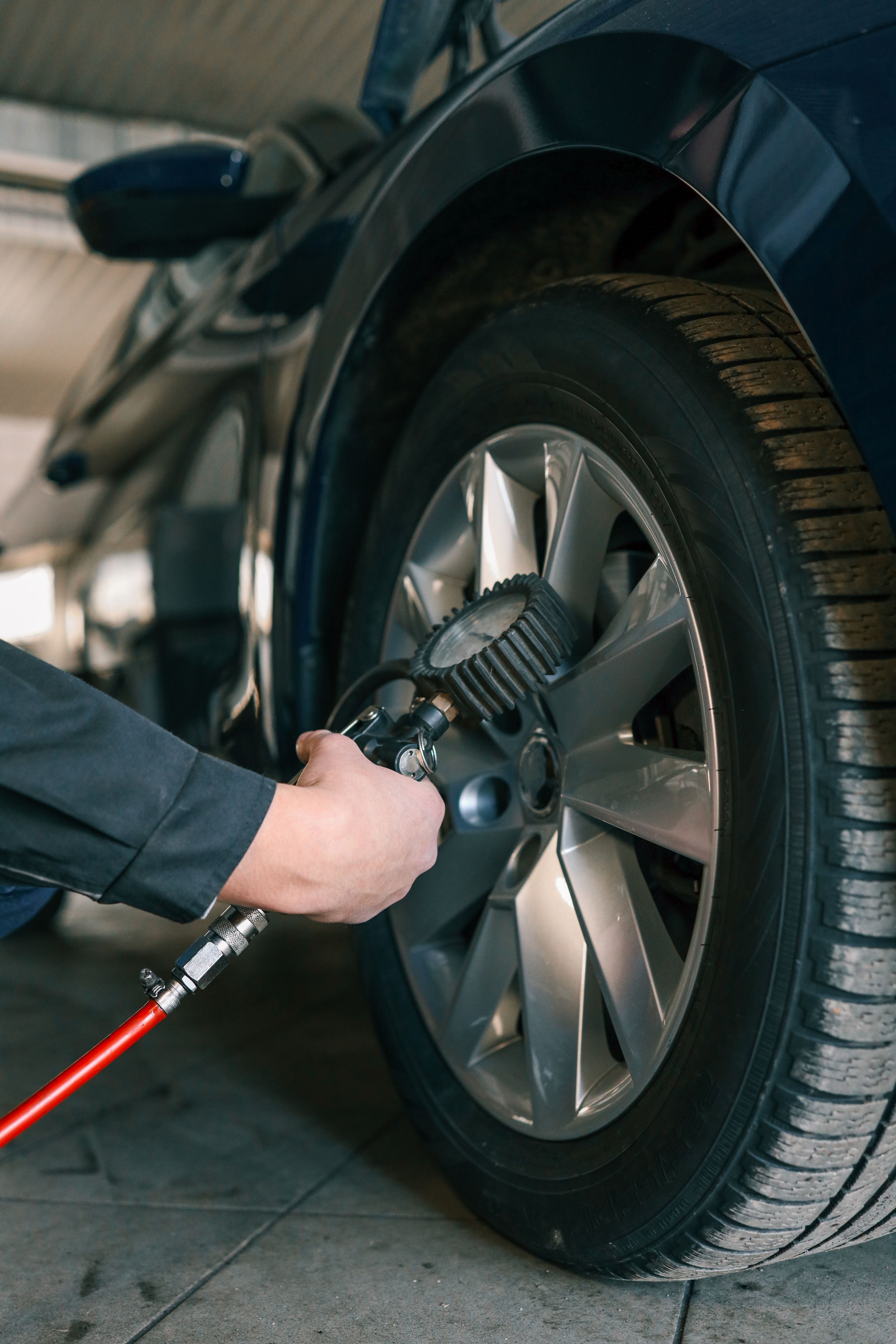
In conclusion, replacing your tires at the right time is vital for your safety, vehicle performance, and fuel efficiency. By keeping an eye on tread depth, tire age, and regularly inspecting for damage, you can ensure your tires provide optimal performance. Remember, investing in new tires is an investment in your safety and peace of mind.