How to Choose the Right Tires for Florida's Weather Conditions
BT
Understanding Florida's Unique Climate
Florida is known for its beautiful beaches and sunny weather, but the climate can be challenging for tires. With high temperatures, heavy rainfall, and the occasional hurricane, choosing the right tires is crucial for safety and performance. Understanding the unique climate patterns is the first step in making an informed decision.
The state experiences a tropical climate in the south and a subtropical climate in the north. This means you'll encounter intense heat, occasional cold snaps, and frequent rain. The right tires can handle these changes and provide a smooth driving experience.

Types of Tires Suitable for Florida
All-Season Tires
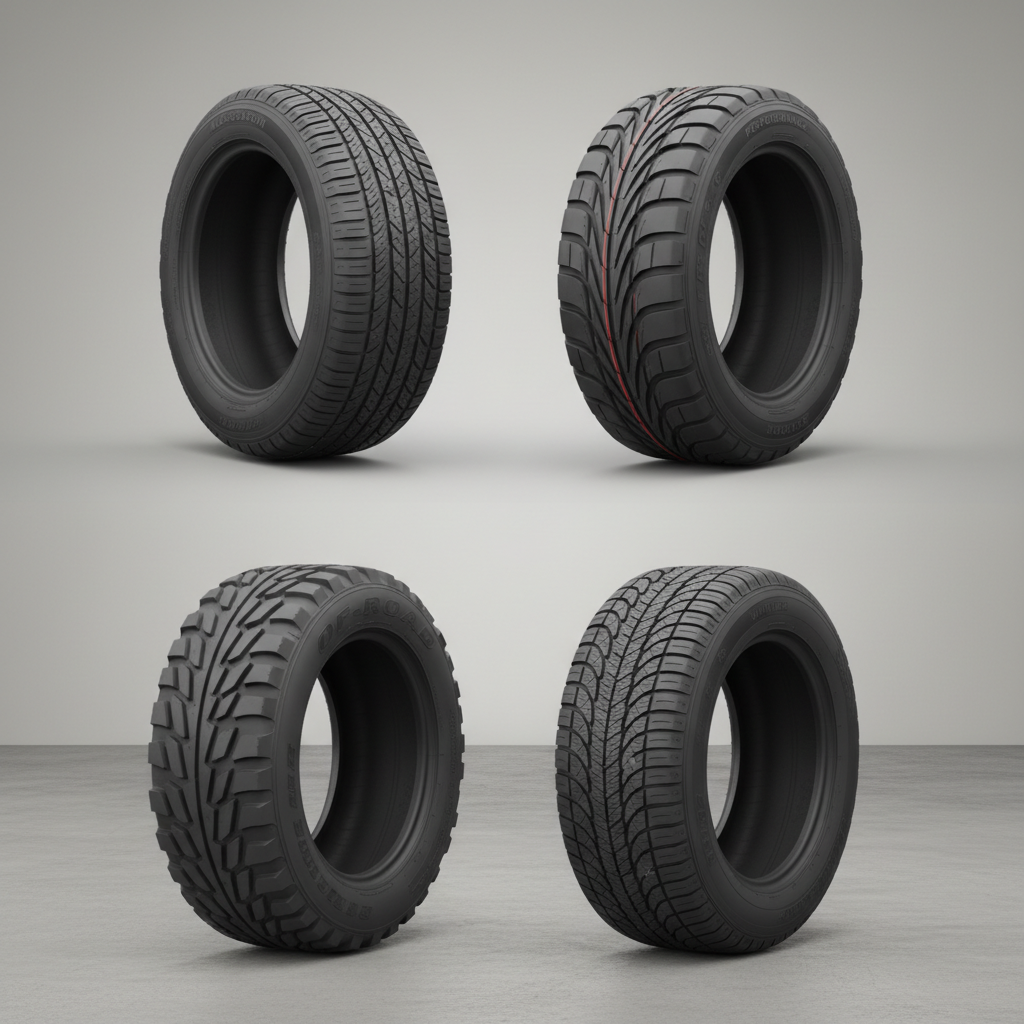
All-season tires are a popular choice for Florida drivers. They are designed to perform well in both wet and dry conditions. These tires offer a good balance between grip and durability, making them suitable for year-round use in Florida's mild winter and hot summer.
Performance Tires
For those who enjoy a more spirited drive, performance tires are an excellent option. They offer enhanced handling and grip, especially on dry roads. However, they may wear out faster in Florida’s high temperatures, so consider this if you drive frequently.
Factors to Consider When Choosing Tires
Weather Conditions
Consider the average weather conditions in your area of Florida. If you live in a region with frequent rain, prioritize tires with excellent wet traction. Look for features like deep grooves and silica compounds that improve water displacement.
Driving Habits
Your driving habits can significantly affect your tire choice. If you mainly drive on highways, look for tires that offer comfort and low road noise. For city driving, durability and good traction at lower speeds are essential.

Maintenance Tips for Longer Tire Life
Once you’ve chosen the right tires, proper maintenance will ensure they last longer. Regularly check tire pressure, as under-inflated tires can lead to poor fuel efficiency and uneven wear. Rotate your tires every 6,000 to 8,000 miles to promote even wear.
It's also important to monitor tread depth. Florida's wet roads require sufficient tread for safe driving. Use a tread depth gauge and replace tires when necessary to maintain optimal safety.
Conclusion
Choosing the right tires for Florida's weather conditions involves understanding the climate, your driving needs, and maintaining your tires properly. By selecting the right type of tire and keeping them in good condition, you can enjoy a safer and more comfortable driving experience year-round.