How to Navigate Seasonal Tire Changes in Florida's Climate
BT
Understanding Florida's Unique Climate
Florida is known for its warm weather, but it doesn't mean you should ignore seasonal tire changes. While northern states deal with snow and ice, Florida drivers face unique challenges like heavy rain and tropical storms. Understanding how these conditions affect your tires is crucial.
In Florida, the wet season runs from May to October, bringing frequent and heavy rain. This increases the risk of hydroplaning, making tire maintenance and selection more important than ever. Proper tire care helps ensure safety and performance on wet roads.

Choosing the Right Tires
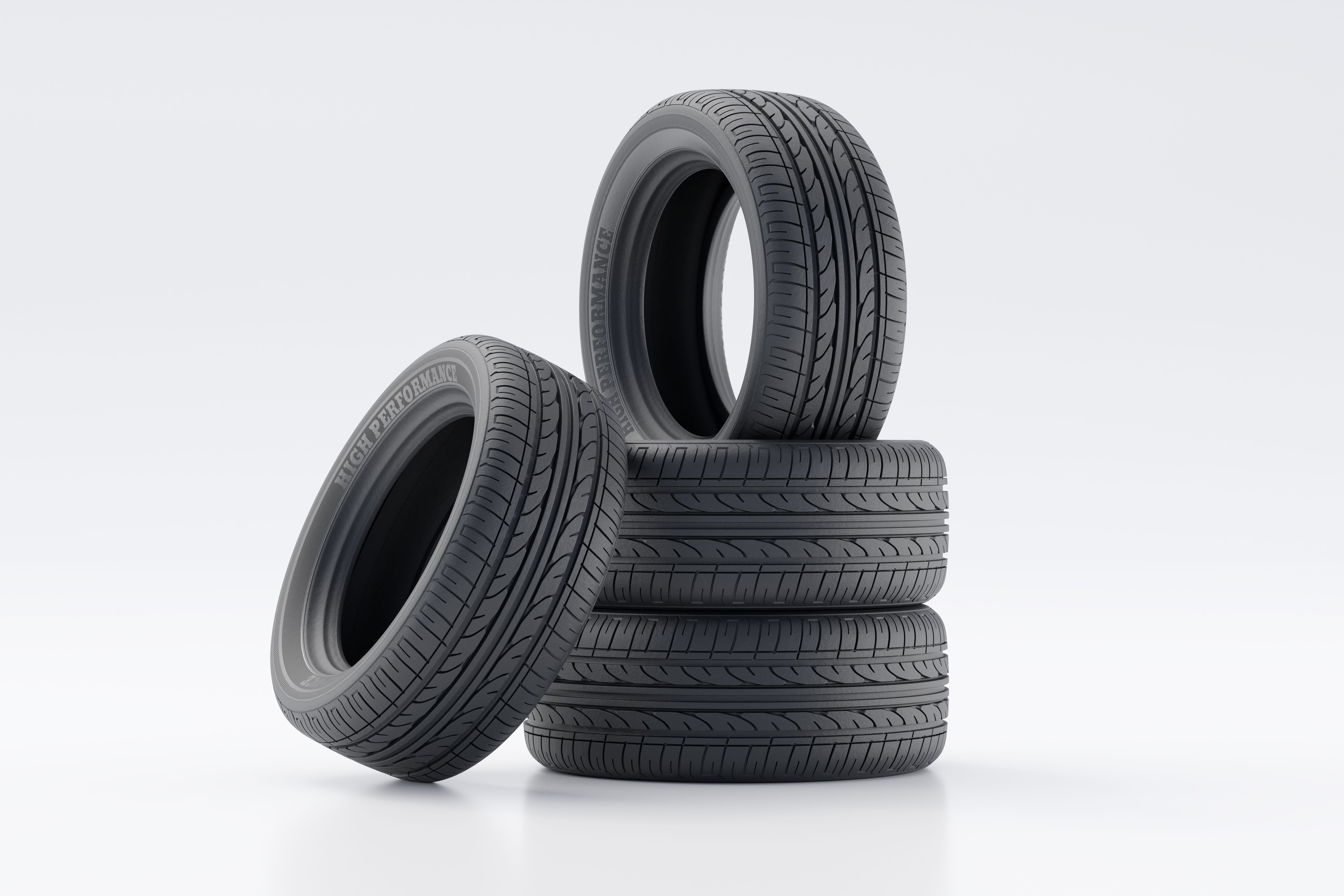
When it comes to tires in Florida, you have several options. While winter tires aren't necessary, you should consider all-season or summer tires. All-season tires are versatile and can handle a range of conditions, including wet roads. Summer tires offer better performance at higher temperatures, providing excellent grip and handling.
Check the tread depth regularly, especially before the rainy season. Worn-out tires can drastically reduce traction, increasing the risk of accidents. A tread depth of at least 3/32 inches is recommended for optimal performance.
Maintaining Your Tires
Regular maintenance is key to extending the life of your tires and ensuring your safety. Here are some tips for maintaining your tires in Florida:
- Check Tire Pressure: Heat can cause tire pressure to fluctuate, so check it monthly.
- Rotate Tires: Rotate every 5,000 to 7,500 miles to ensure even wear.
- Alignment and Balancing: Misaligned wheels can cause uneven tire wear.
Proper tire maintenance not only enhances safety but also improves fuel efficiency, saving you money in the long run.

Preparing for Rainy Weather
Heavy rain is a common occurrence in Florida, so preparing your vehicle for wet conditions is essential. Ensure that your windshield wipers are in good condition and that your headlights and taillights are functioning properly. Visibility is crucial during heavy rain.
Additionally, be cautious when driving through standing water. If you can't see the road beneath the water, it's best to avoid driving through it altogether. Hydroplaning can occur at speeds as low as 35 mph, so reduce your speed and increase your following distance during storms.
Conclusion
Navigating seasonal tire changes in Florida requires understanding the unique climate and its impact on your vehicle. By choosing the right tires, maintaining them properly, and preparing for rainy weather, you can ensure a safe and smooth driving experience year-round.
Remember, proactive tire care is an investment in your safety and the longevity of your vehicle. Keep these tips in mind, and you'll be well-equipped to handle Florida's dynamic climate.