How to Prepare Your Vehicle for Florida's Summer Heat: Essential Tips
BT
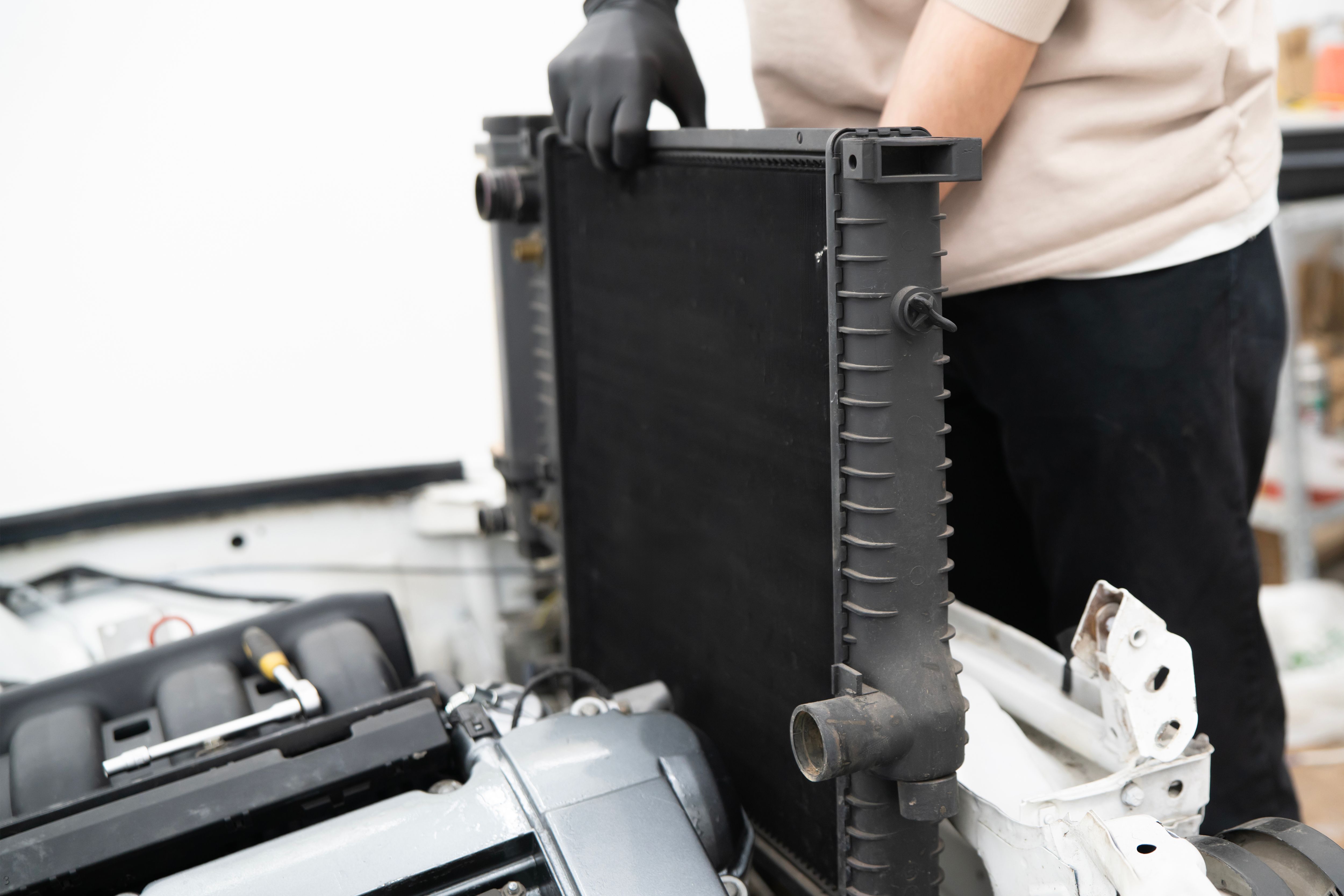
Check Your Cooling System
Florida's summer heat can be brutal on your vehicle's cooling system. Start by inspecting the radiator and coolant levels. Ensure there are no leaks or cracks in the hoses, and consider flushing the coolant if it hasn't been done recently. A well-maintained cooling system is crucial to prevent overheating.
Additionally, inspect the water pump and thermostat for any signs of wear. These components play a vital role in regulating engine temperature, so addressing any issues promptly can save you from costly repairs later.
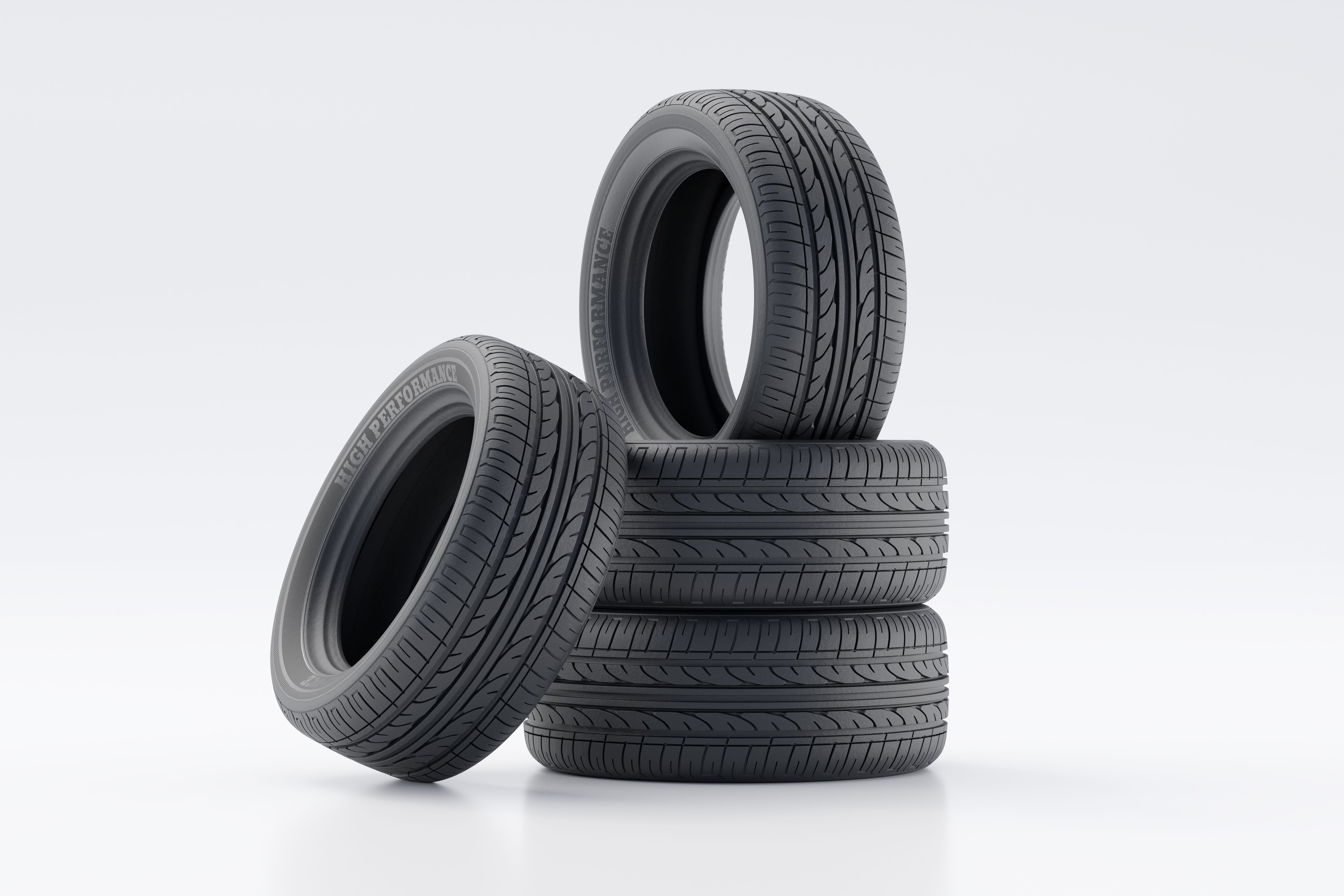
Monitor Tire Health
Tires can be affected by high temperatures, leading to increased air pressure and potential blowouts. Regularly check the tire pressure to ensure it matches the manufacturer's recommendations. Remember, tire pressure can vary with temperature changes, so frequent checks are essential.
Also, inspect the tread depth and look for any signs of uneven wear or damage. Rotating your tires and ensuring proper alignment can extend their lifespan and improve fuel efficiency.
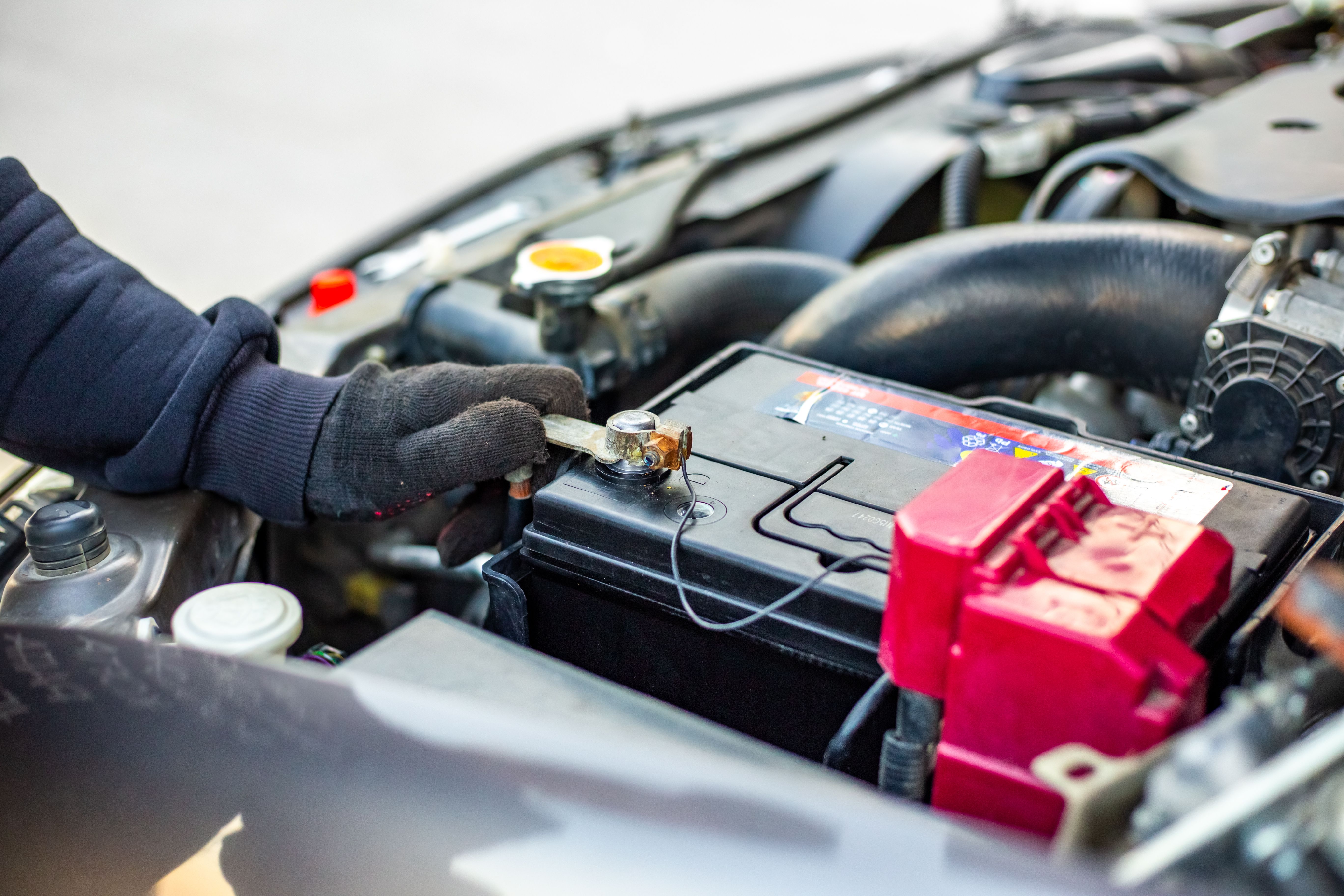
Examine the Battery
The summer heat can take a toll on your vehicle's battery. High temperatures can accelerate the chemical reaction inside the battery, leading to a shorter lifespan. Check the battery terminals for any corrosion and clean them if necessary.
Testing the battery's charge can also help you avoid unexpected breakdowns. If your battery is more than three years old, consider having it tested by a professional to determine its health and efficiency.
Maintain the Air Conditioning System
Driving in Florida's summer without a functioning air conditioning system can be uncomfortable. Ensure the A/C system is operating efficiently by checking the refrigerant levels and inspecting the compressor for any issues.
If the air conditioning is not cooling as it should, it might be time for a professional inspection. Regular maintenance can help keep the system running smoothly and ensure a comfortable ride.
Protect the Vehicle's Interior
The sun's intense rays can damage your vehicle's interior, causing fading and cracking. Use sunshades to protect the dashboard and seats when parked. Consider using a UV protectant on surfaces to help preserve their condition.
Additionally, parking in shaded areas or using a car cover can reduce exposure to direct sunlight, helping to keep the interior cooler and in better condition.

Regularly Service the Engine
Regular engine maintenance is essential, especially during the summer months. Ensure the oil and filters are changed as per the manufacturer's schedule. Clean engine components can improve performance and efficiency, reducing the risk of overheating.
Keep an eye on the engine belts and hoses, as they can become brittle and prone to failure in extreme heat. Replacing worn parts before they fail can prevent breakdowns and costly repairs.