Myth-Busting: Common Misconceptions About Auto Repairs
BT
Introduction
Auto repairs are an essential part of vehicle ownership, yet many misconceptions persist in this area. These myths can lead to unnecessary stress and expenses. In this post, we'll debunk some common misconceptions about auto repairs to help you make informed decisions.
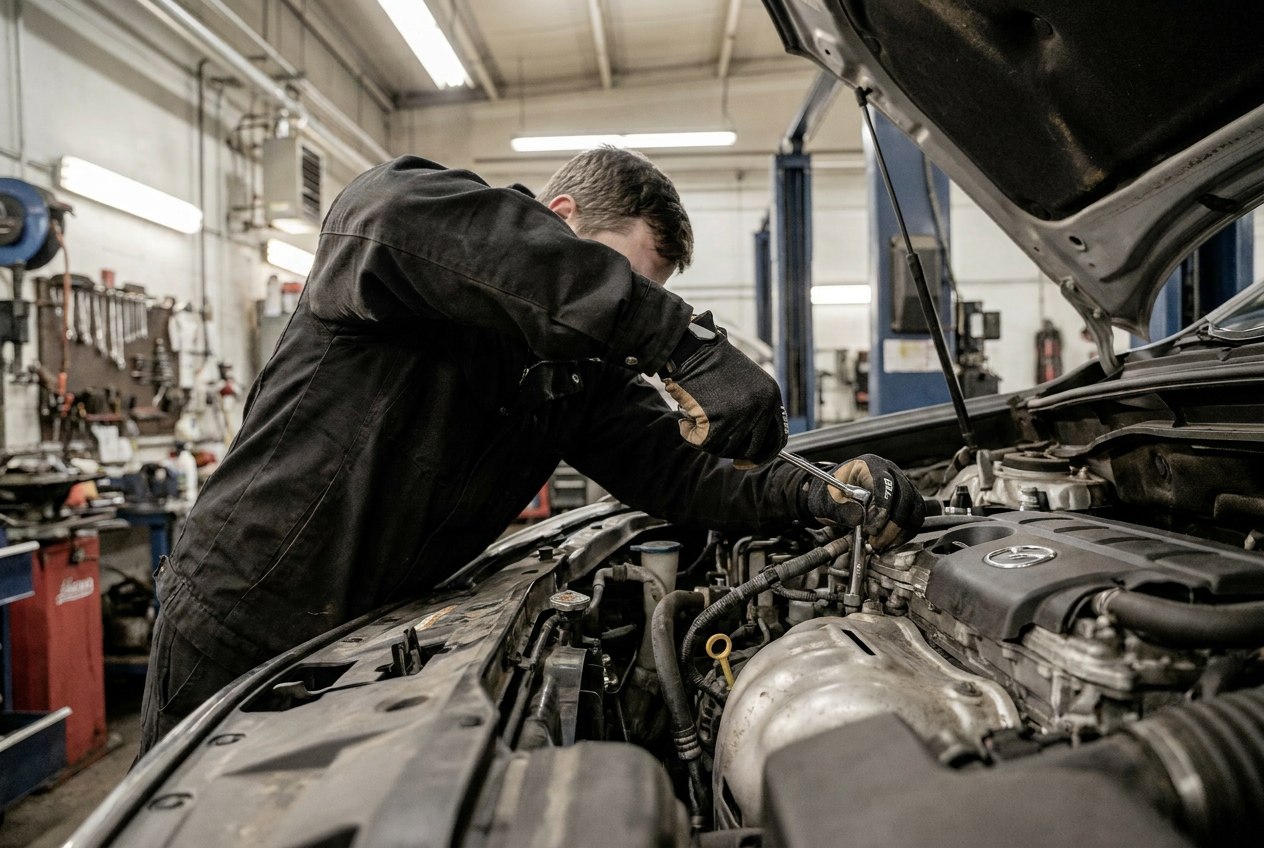
Myth 1: All Mechanics Are the Same
One widespread belief is that all mechanics offer the same level of service. In reality, skill levels and expertise can vary significantly. It's important to choose a mechanic with the right certifications and a good reputation. Don't hesitate to ask for recommendations or read reviews before making your choice.
Why Certification Matters
Certified mechanics have undergone extensive training and testing. This ensures they are equipped to handle a wide range of repairs. Look for certifications like ASE (Automotive Service Excellence) when selecting a mechanic. This can often be a reliable indicator of quality service.
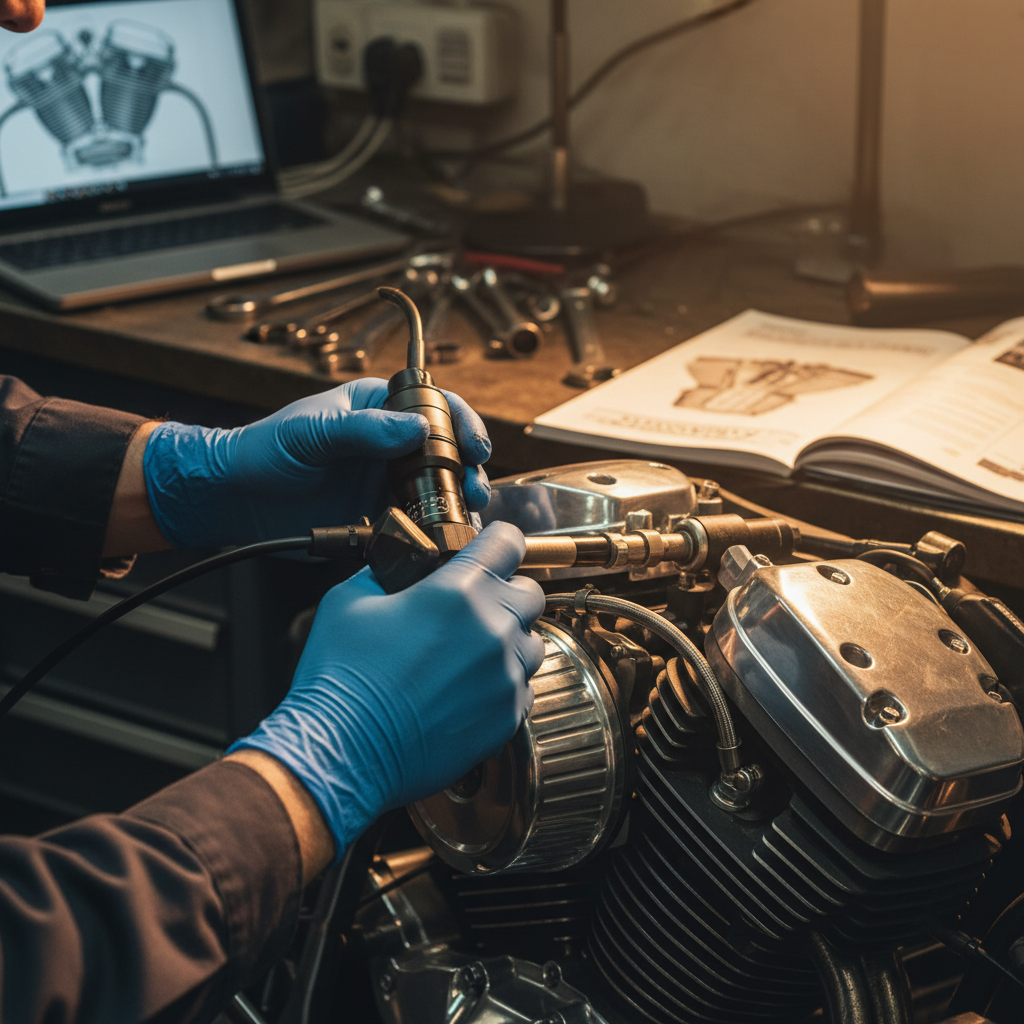
Myth 2: Regular Maintenance Is a Waste of Money
Some car owners believe that regular maintenance is unnecessary and costly. However, routine check-ups can prevent major issues and save money in the long run. Regular oil changes, tire rotations, and brake inspections are crucial to keeping your vehicle in top condition.
The Cost of Neglect
Ignoring regular maintenance can lead to more significant problems down the road. For example, failing to change your oil regularly can result in engine damage. In contrast, spending a little on maintenance can prevent hefty repair bills.
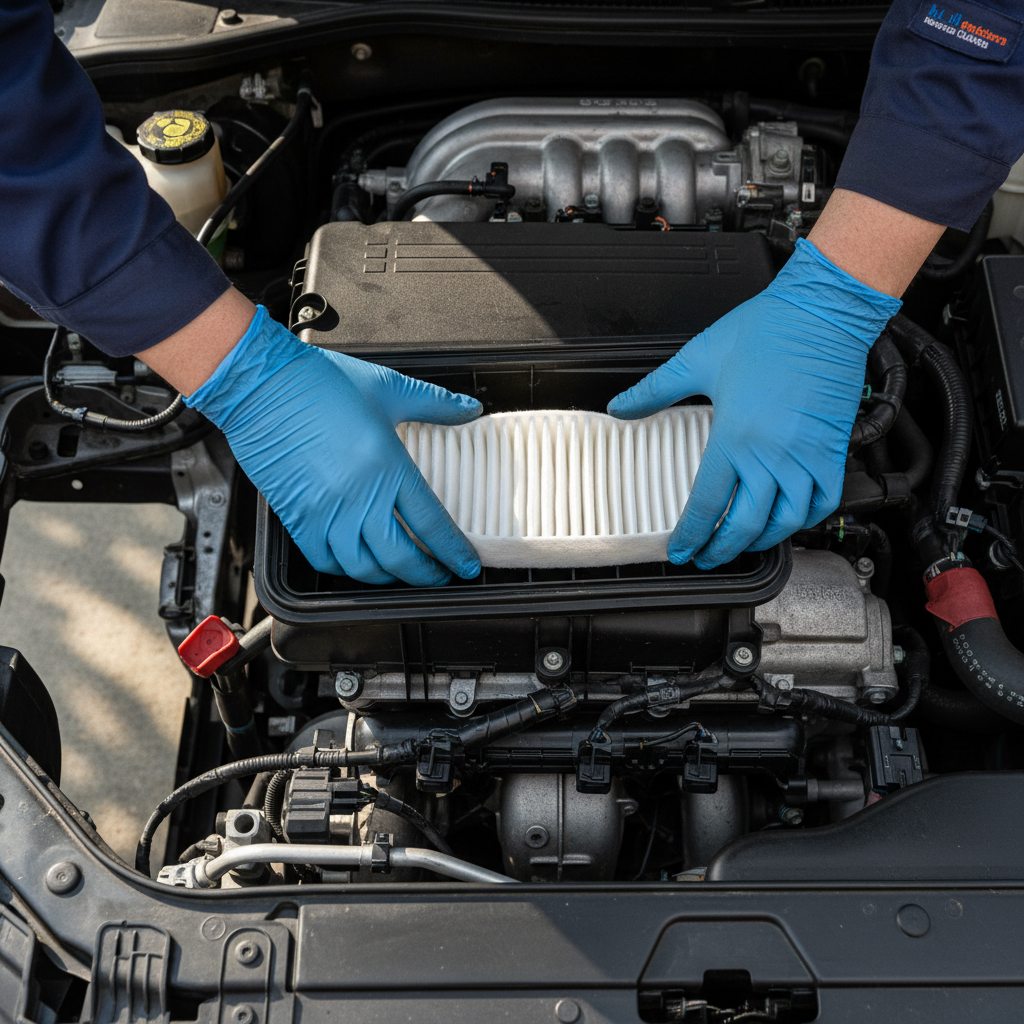
Myth 3: You Must Go to the Dealership for Repairs
Many believe that only dealerships can handle specific repairs, particularly for newer models. While dealerships are knowledgeable, independent shops can also offer excellent service, often at a lower cost. Independent mechanics may have the same access to parts and diagnostics.
Advantages of Independent Shops
Independent shops tend to provide more personalized service and quicker turnaround times. They often have lower overhead costs, which can translate to savings for you. It's worth considering an independent shop, especially if you have a trusted mechanic.
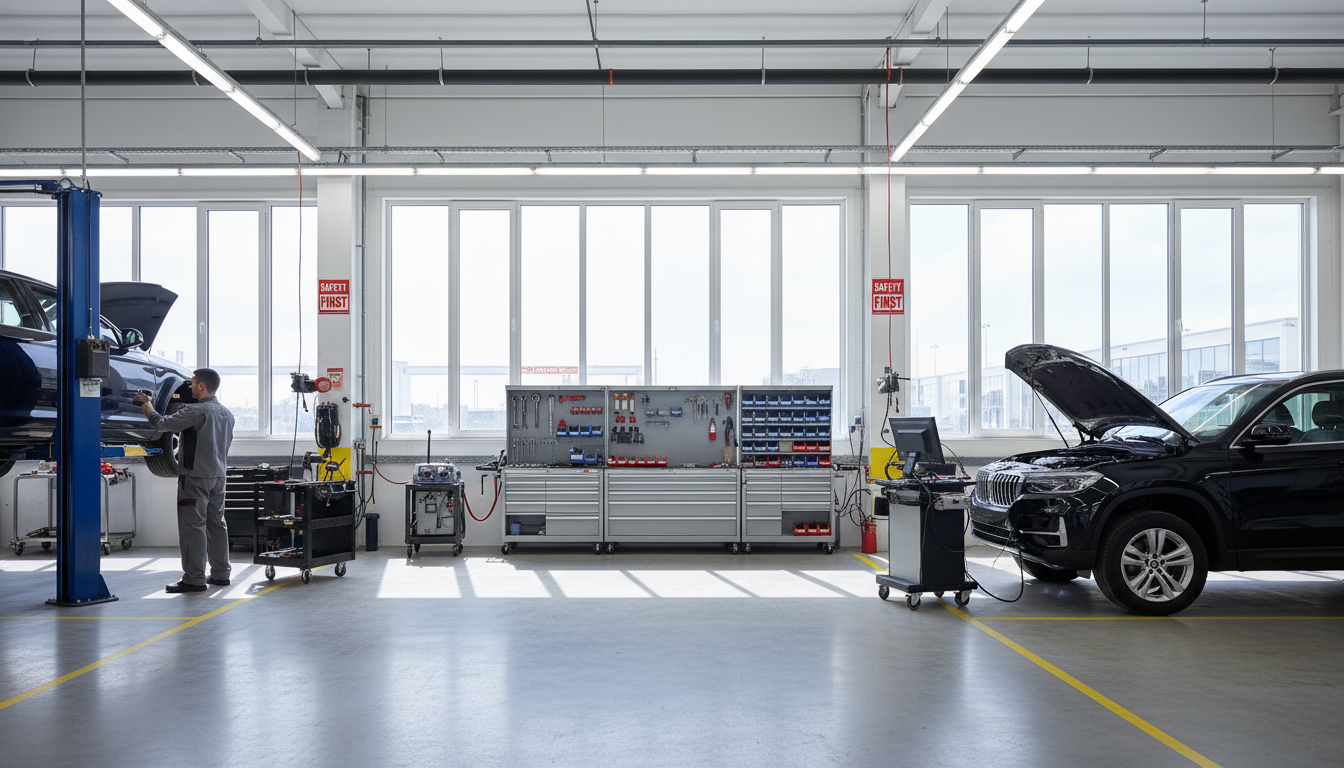
Myth 4: Premium Fuel Is Always Better
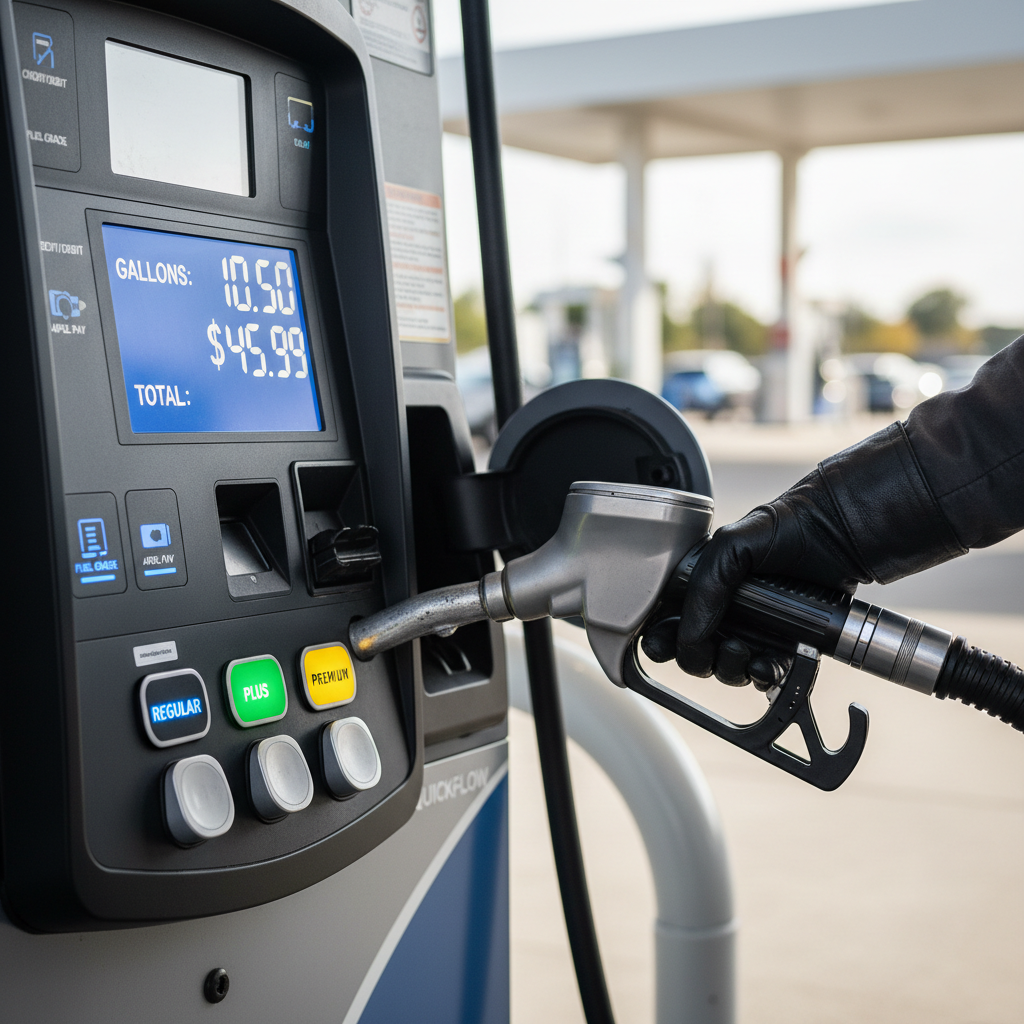
Some drivers believe that using premium fuel will enhance their vehicle's performance. However, most cars are designed to run efficiently on regular gasoline. Unless your vehicle specifically requires premium fuel, using it won't necessarily improve performance or efficiency.
Understanding Fuel Requirements
Check your vehicle's manual to understand its fuel requirements. Using the recommended fuel type ensures optimal performance and avoids unnecessary expenses. If your car runs fine on regular fuel, there's no need to switch to premium.
Conclusion
By debunking these myths, you can approach auto repairs with greater confidence and knowledge. Remember, a well-maintained vehicle is not only safer but also more cost-effective in the long run. Stay informed, and don't hesitate to seek professional advice when needed.