Sanford's Auto Repair Myths: What You Need to Know
BT
When it comes to maintaining your vehicle, there are numerous myths that can lead you astray. At Sanford's Auto Repair, we're committed to debunking these myths to ensure you have the best information for your car care needs. Understanding these misconceptions can save you both time and money.
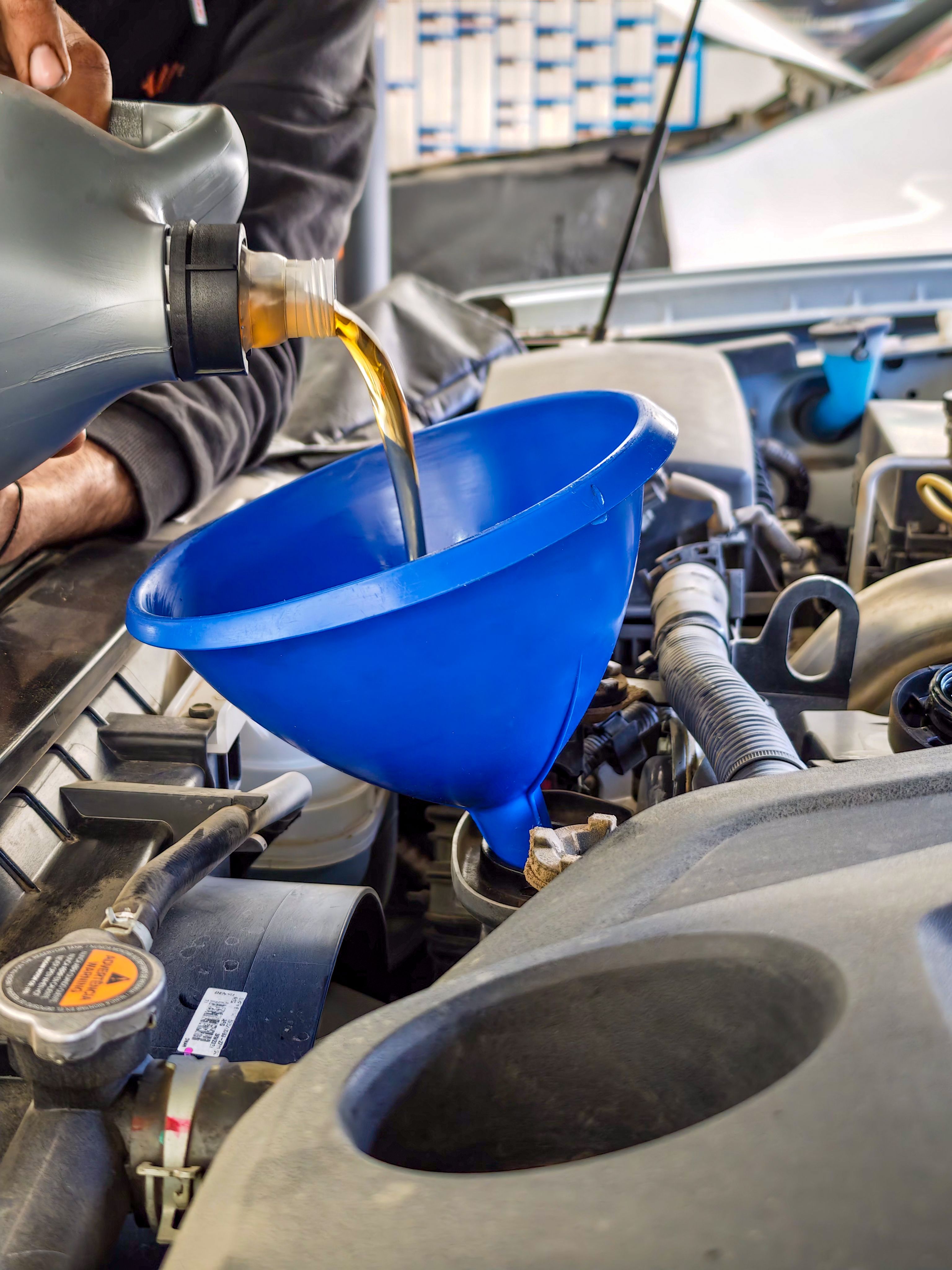
Myth 1: You Must Change Your Oil Every 3,000 Miles
One of the most pervasive myths in auto maintenance is the need to change your oil every 3,000 miles. While this was valid for older cars, modern engines and advanced oil technologies have extended this range significantly. Many vehicles now recommend oil changes every 5,000 to 7,500 miles. Always check your owner’s manual for the manufacturer’s recommendations.
Myth 2: Premium Gasoline Improves Performance
Another common misconception is that using premium gasoline will enhance your car’s performance. Unless your vehicle specifically requires premium fuel, using it won’t make a difference. In fact, most cars are designed to run efficiently on regular unleaded gasoline. Save your money and stick to what your car's manual suggests.
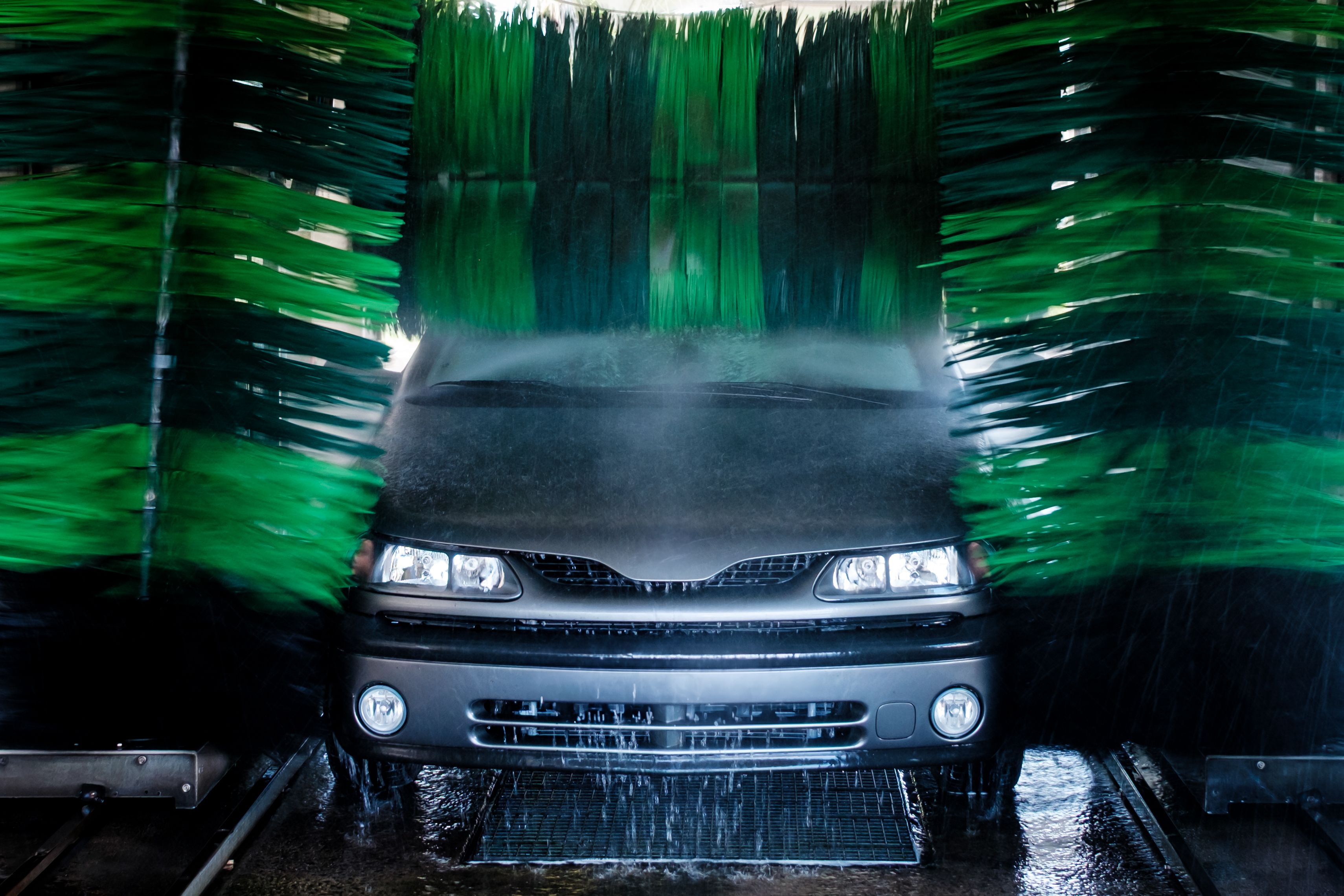
Myth 3: A Clean Car Runs Better
While a clean car might make you feel better, it doesn’t necessarily mean it runs better. However, keeping your car clean can prevent damage to the paintwork and undercarriage from dirt and debris. Regular washes are more about preserving the car’s appearance and value rather than improving its performance.
Common Myths About Brake Pads
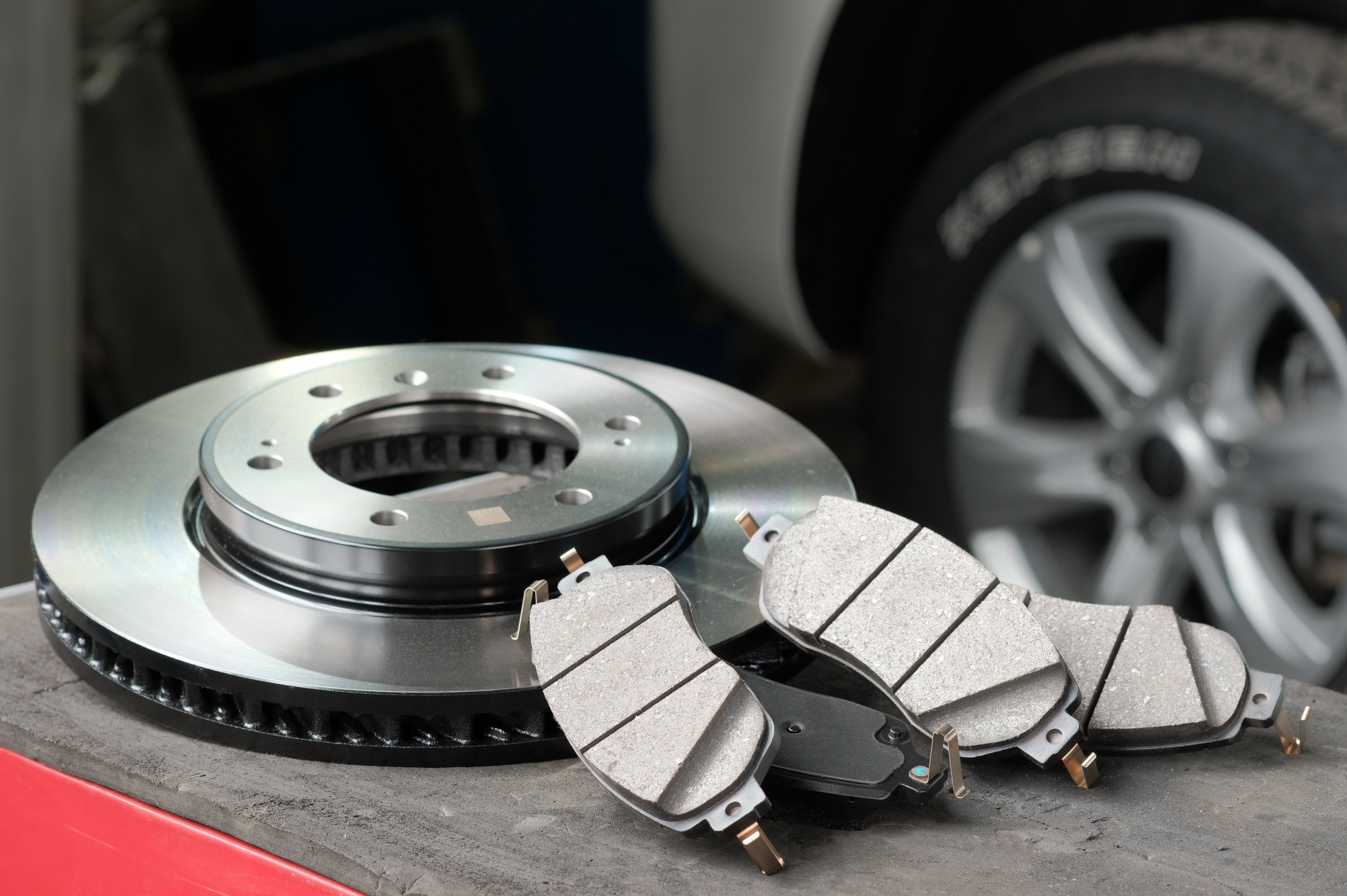
Brake maintenance is crucial for safety, yet myths abound regarding brake pads. Some believe that squeaky brakes always need replacement. While squeaking can indicate wear, it can also result from dust or moisture. Have a professional inspect them to determine the true cause.
Myth: Thicker Brake Pads Last Longer
It’s a mistake to assume that thicker brake pads will last longer. Quality and material matter more than thickness. Always choose pads that suit your driving habits and vehicle specifications.
Myth 4: You Should Inflate Tires to the Pressure Marked on the Sidewall
The pressure marked on the tire sidewall indicates the maximum pressure the tire can handle, not the recommended pressure for your vehicle. Check your vehicle’s door placard or owner’s manual for the correct tire pressure to ensure optimal performance and safety.
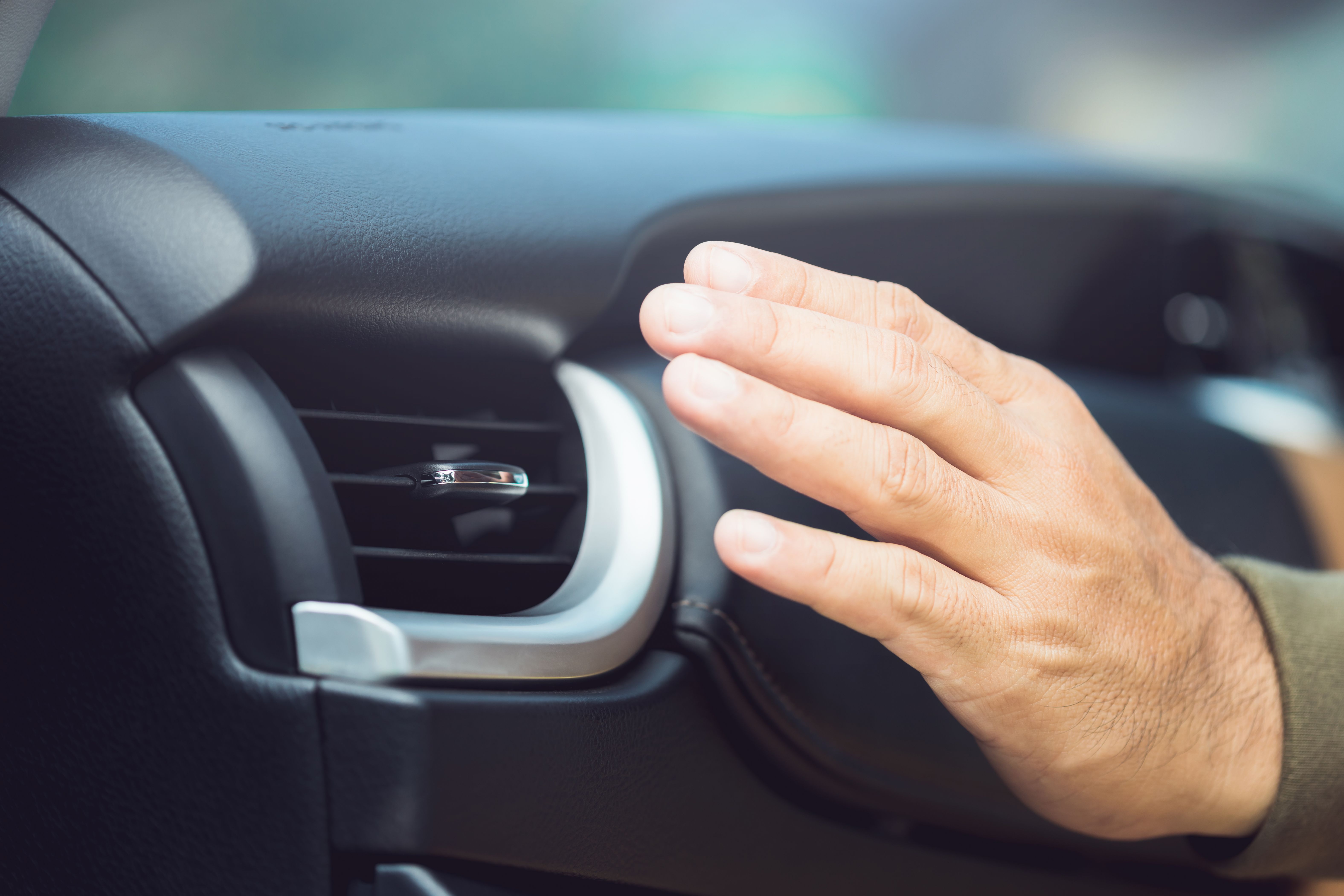
Myth 5: Using the Air Conditioner Wastes Gas
While it’s true that using the air conditioner can slightly decrease fuel efficiency, the impact is minimal, especially at highway speeds. On the contrary, driving with windows down can create aerodynamic drag, reducing fuel efficiency even more. Comfort doesn’t have to come at a high cost.
By understanding and debunking these common auto repair myths, you can make more informed decisions about your vehicle’s maintenance. At Sanford's Auto Repair, we're here to provide expert advice and reliable service to keep your car running smoothly. Remember, knowledge is power when it comes to car care!