Summer Car Maintenance Tips for Florida Drivers
BT
Prepare Your Car for the Florida Heat
Florida’s summer heat can be relentless, not just for you but also for your vehicle. Ensuring your car is ready for the high temperatures can prevent breakdowns and keep you safe on the road. Here are some essential maintenance tips to keep your car running smoothly during the scorching summer months.
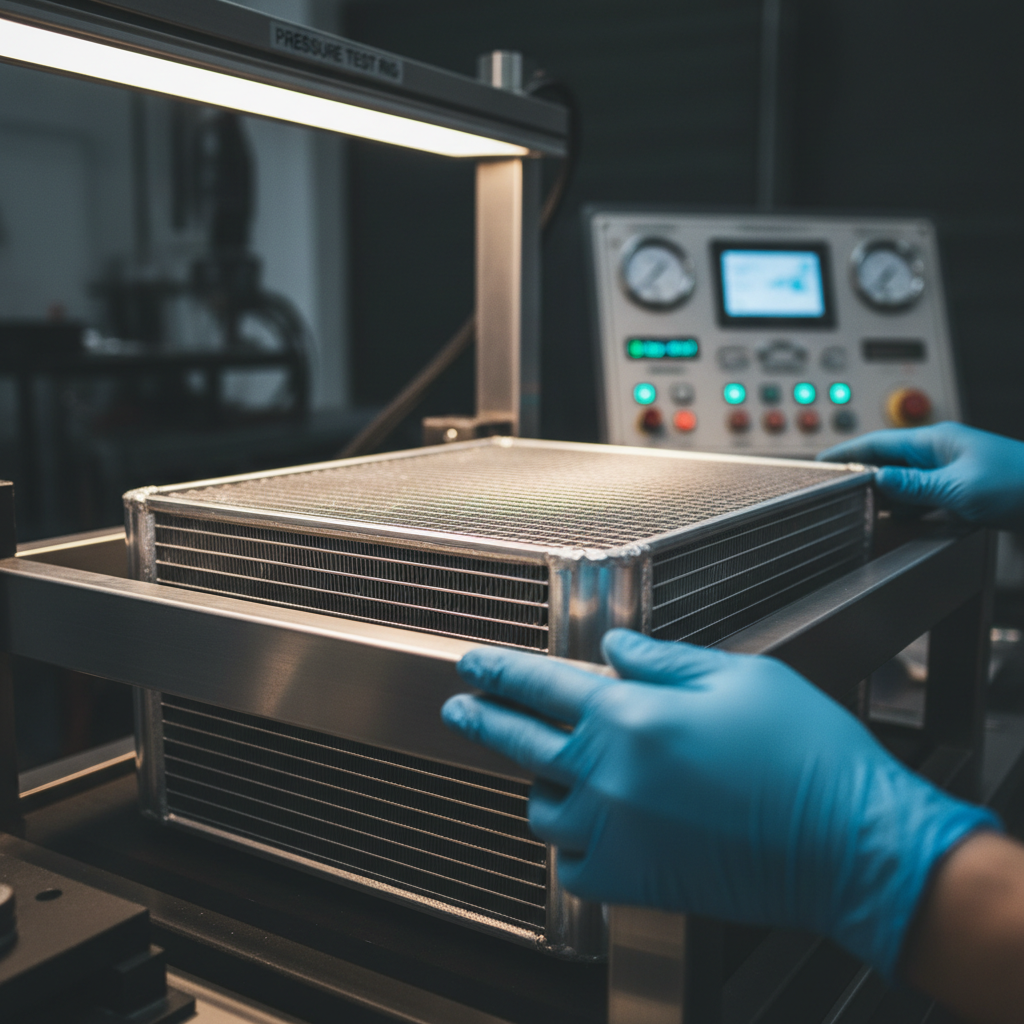
One of the first things to check is your car's cooling system. The coolant, or antifreeze, plays a crucial role in preventing your engine from overheating. Make sure the coolant level is adequate, and consider flushing and refilling the system if it hasn’t been done in a while.
Check Your Tires Regularly
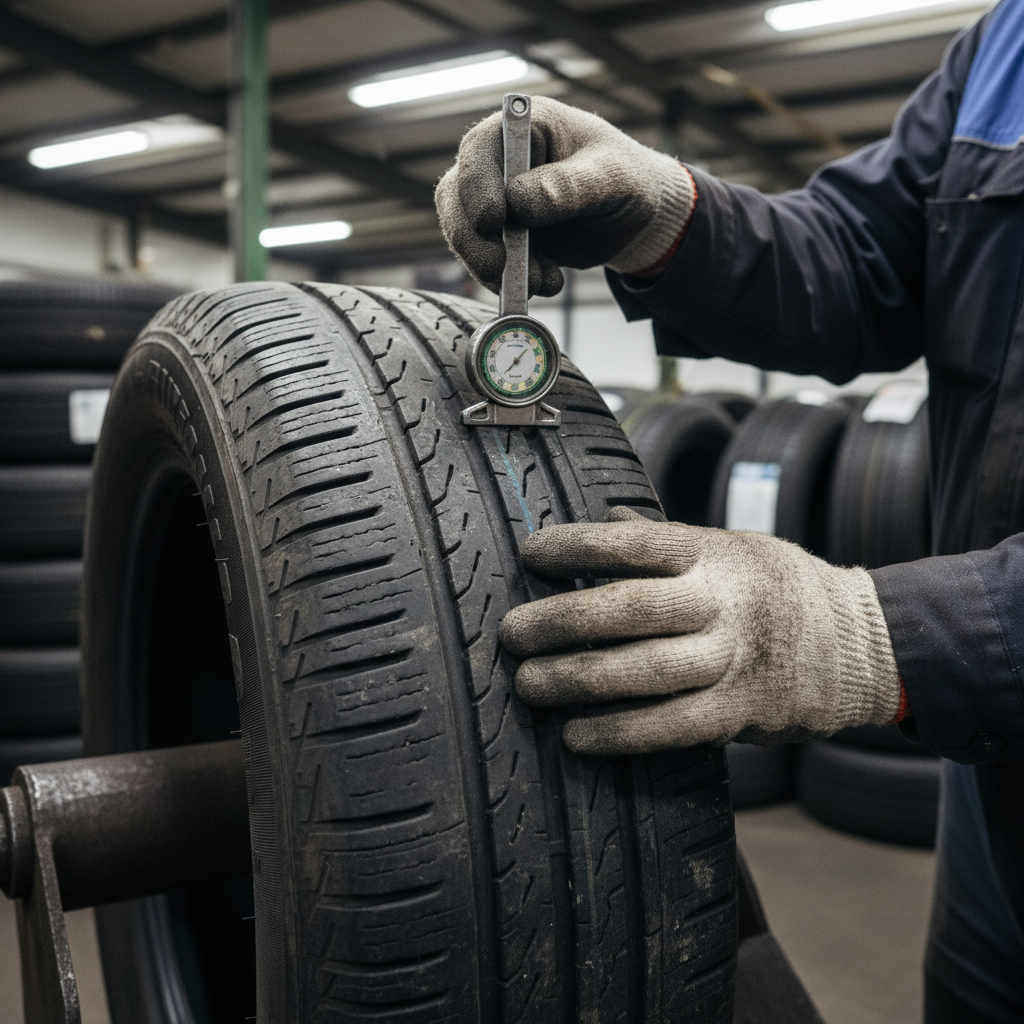
Tires can suffer significantly under the summer sun. High temperatures can increase the pressure in your tires, which might lead to a blowout. Regularly checking your tire pressure is vital. Refer to your vehicle’s manual for the recommended pressure levels, and adjust accordingly.
Also, inspect your tire tread for wear and tear. Uneven or excessive tread wear can indicate alignment or suspension issues, which should be addressed promptly. Consider rotating your tires every few months to promote even wear.
Battery and Electrical System
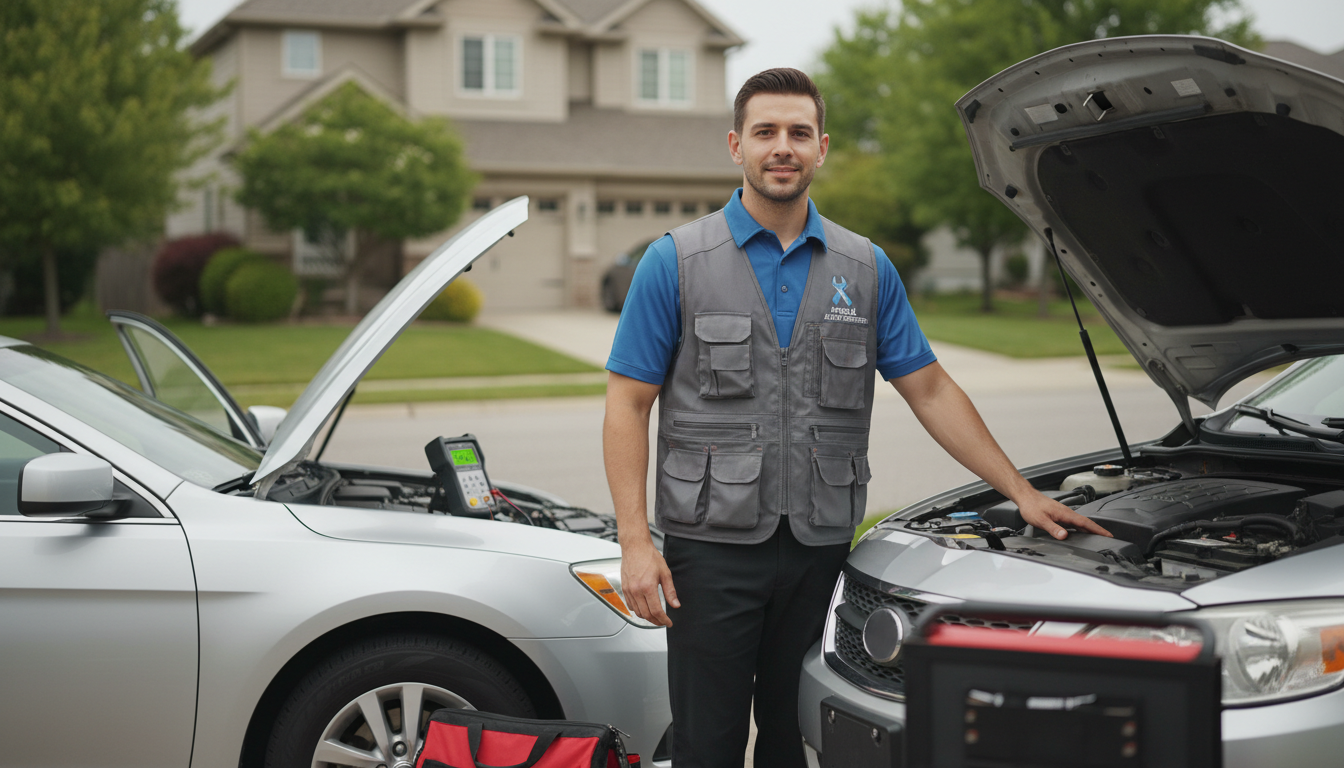
Extreme heat can strain your car’s battery and electrical system. Inspect your battery for any signs of corrosion, and ensure the connections are tight and clean. If your battery is more than three years old, have it tested to see if it’s holding a charge effectively.
Additionally, check the electrical system, including lights, wipers, and air conditioning, to ensure everything is functioning correctly. A well-maintained electrical system is essential for a comfortable and safe driving experience.
Maintain Your Air Conditioning System
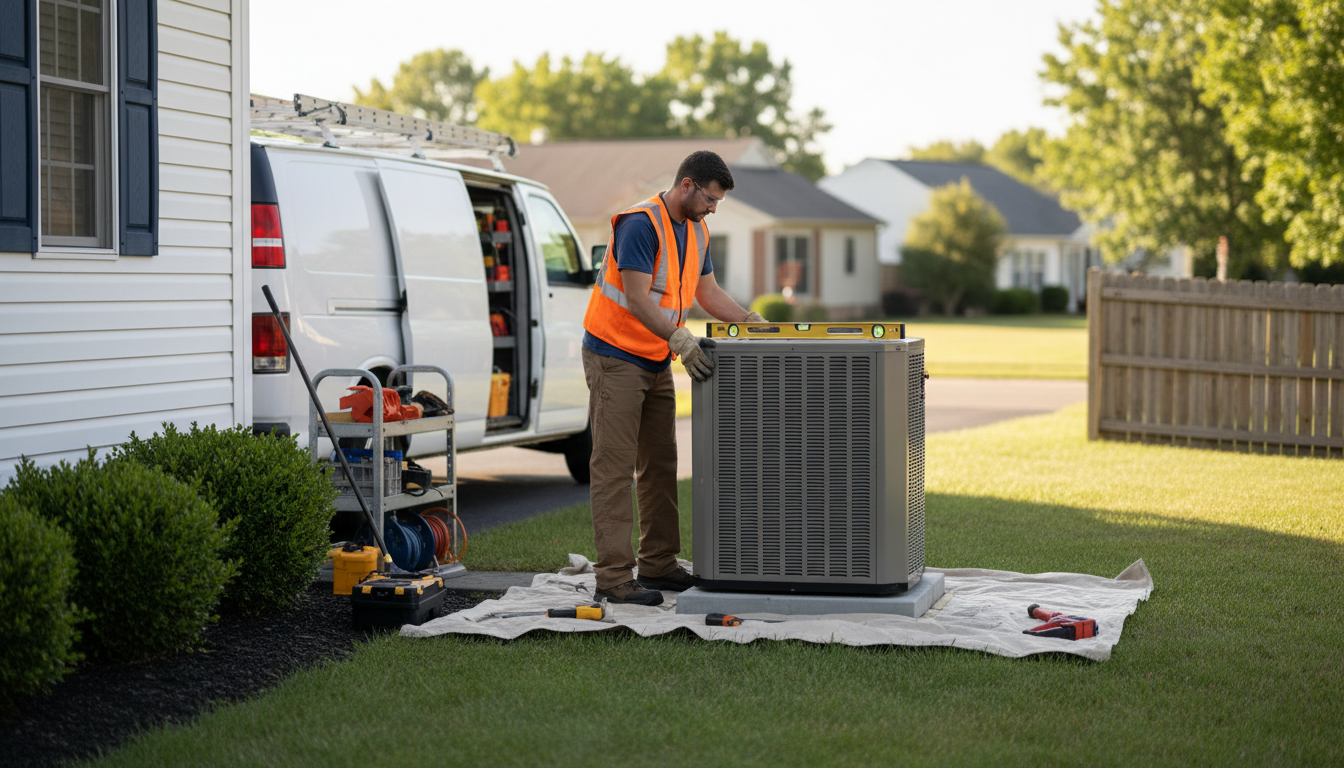
Driving in Florida’s summer without air conditioning is uncomfortable and can be dangerous. Ensure your AC system is working optimally by checking the refrigerant levels and inspecting for any leaks or issues. If your AC isn’t as cold as it used to be, it might be time for a professional inspection.
Regularly replacing the cabin air filter can also improve the efficiency of your air conditioning system and improve the air quality inside your vehicle.
Protect Your Car’s Interior
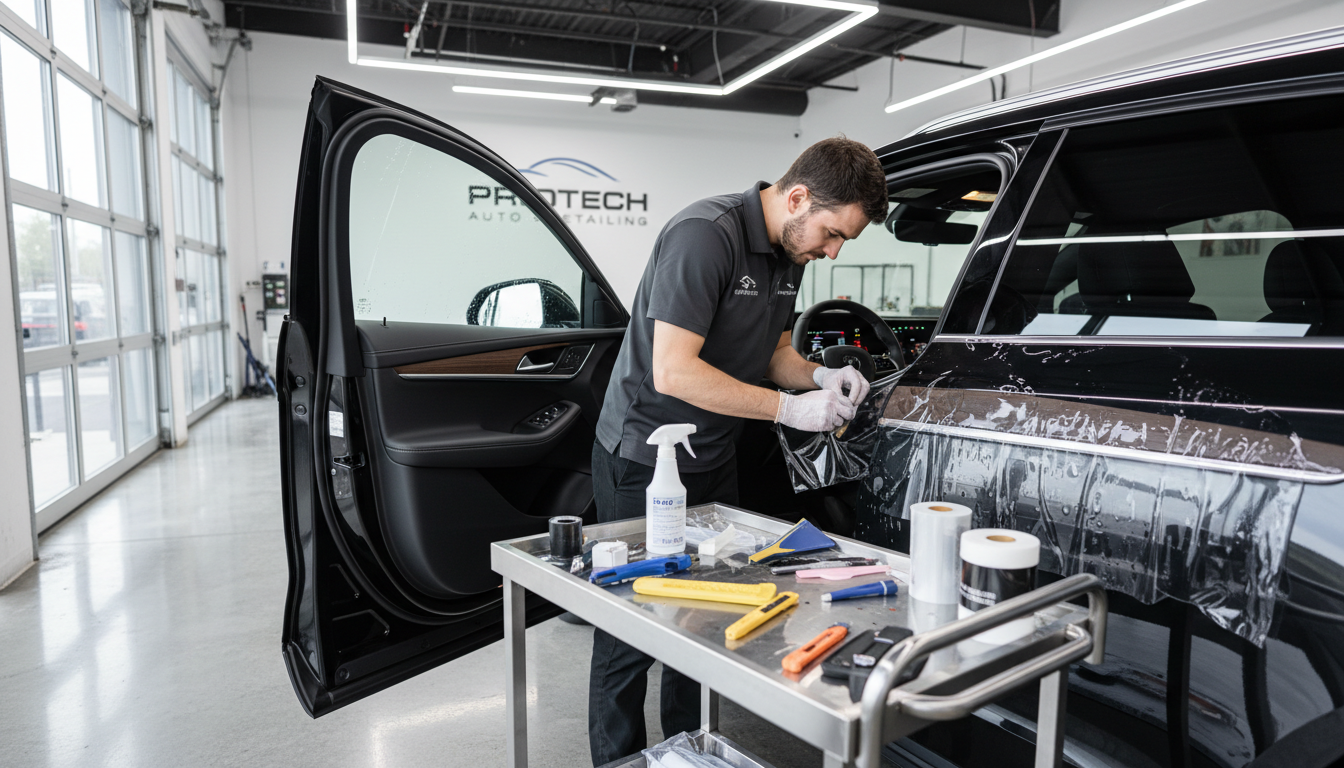
The sun’s UV rays can damage your car's interior, causing materials like leather and plastic to crack and fade. Use sunshades to protect the dashboard and seats, and consider installing window tinting for added protection.
Applying a UV protectant to interior surfaces can also help reduce damage. Regular cleaning and conditioning of the interior materials will keep your car looking new and prevent deterioration.
Stay Prepared for Emergencies
Despite the best preparations, emergencies can still happen. Keep an emergency kit in your car that includes items like bottled water, a flashlight, jumper cables, and basic first-aid supplies. Having these essentials on hand can be a lifesaver if you find yourself stranded in the heat.
Also, make sure your spare tire is in good condition and that you have the necessary tools to change a tire if needed. Familiarize yourself with the process to avoid unnecessary delays in an emergency.