Understanding Engine Diagnostics: A Guide for Sanford Drivers
BT
Introduction to Engine Diagnostics
For many Sanford drivers, understanding engine diagnostics can feel like deciphering a foreign language. However, having a basic knowledge of what goes on under the hood can empower you to make informed decisions about your vehicle's maintenance and repairs. This guide aims to demystify engine diagnostics and provide you with the essential information you need.
What Are Engine Diagnostics?
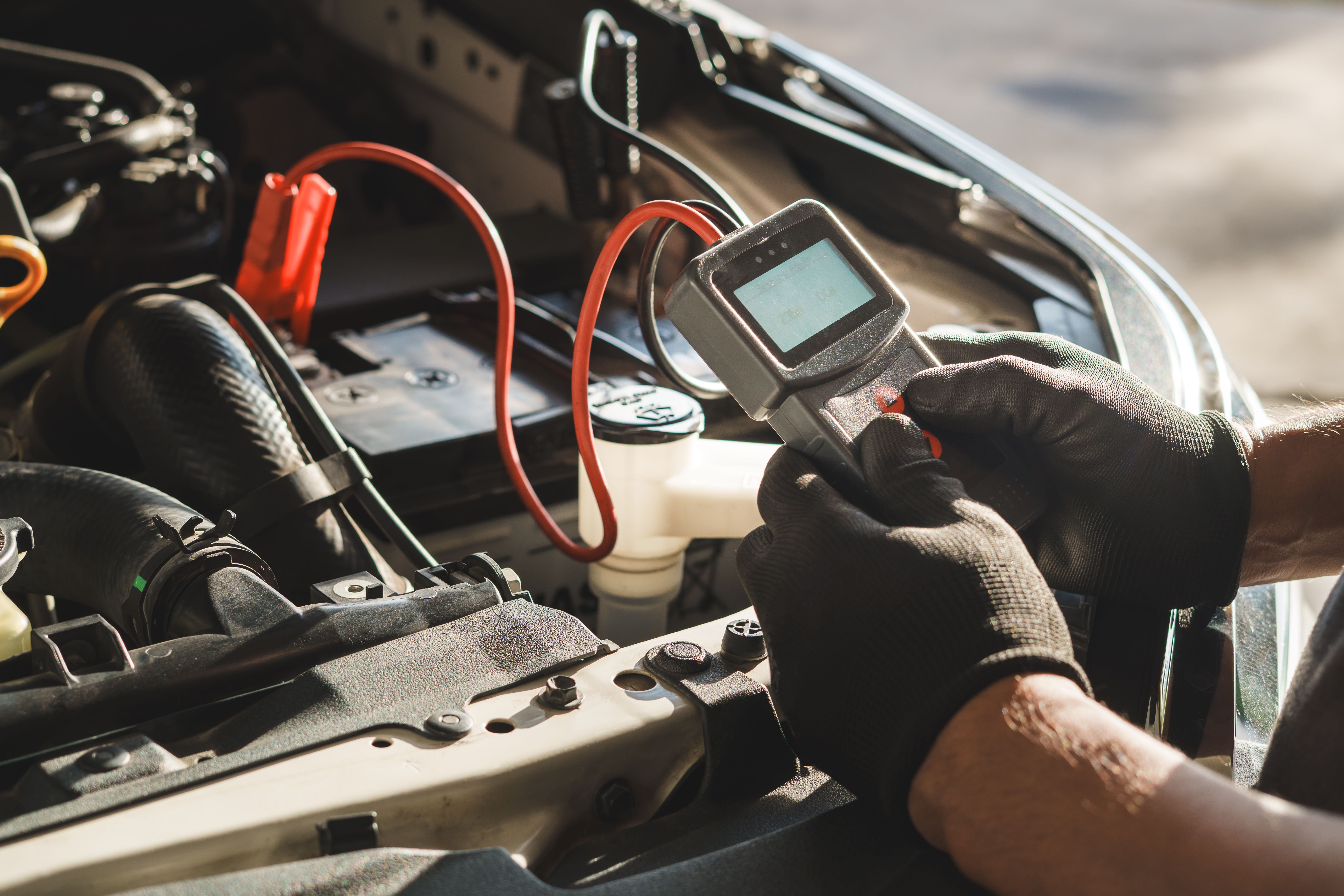
Engine diagnostics involve using specialized tools and software to identify issues within a vehicle's engine and related systems. Modern vehicles are equipped with numerous sensors and computer systems that constantly monitor the car's performance. When something goes wrong, these systems trigger a warning light on your dashboard.
The most common warning is the "Check Engine" light, which can indicate anything from a loose gas cap to a more serious engine problem. Understanding what these signals mean is crucial for timely and effective maintenance.
The Role of On-Board Diagnostics (OBD)
The On-Board Diagnostics (OBD) system is a standardized system that provides real-time data and diagnostic trouble codes (DTCs) to help identify the source of a problem. OBD-II, the latest version, is used in most vehicles manufactured after 1996. This system enables mechanics and vehicle owners to access detailed information about the vehicle's health.

Common Diagnostic Tools
There are several tools that professionals and DIY enthusiasts use for engine diagnostics:
- OBD-II Scanner: A device that reads the diagnostic trouble codes from your vehicle’s computer.
- Multimeter: Measures electrical values to help diagnose electrical issues.
- Fuel Pressure Gauge: Checks the fuel system’s pressure to ensure proper fuel delivery.
Understanding Diagnostic Trouble Codes (DTCs)
Diagnostic Trouble Codes are like a vehicle's way of communicating with mechanics. These codes provide specific information about the problem area. For example, a code might indicate a misfire in one of the engine's cylinders. While some codes are straightforward, others may require a professional's interpretation.
Benefits of Regular Engine Diagnostics
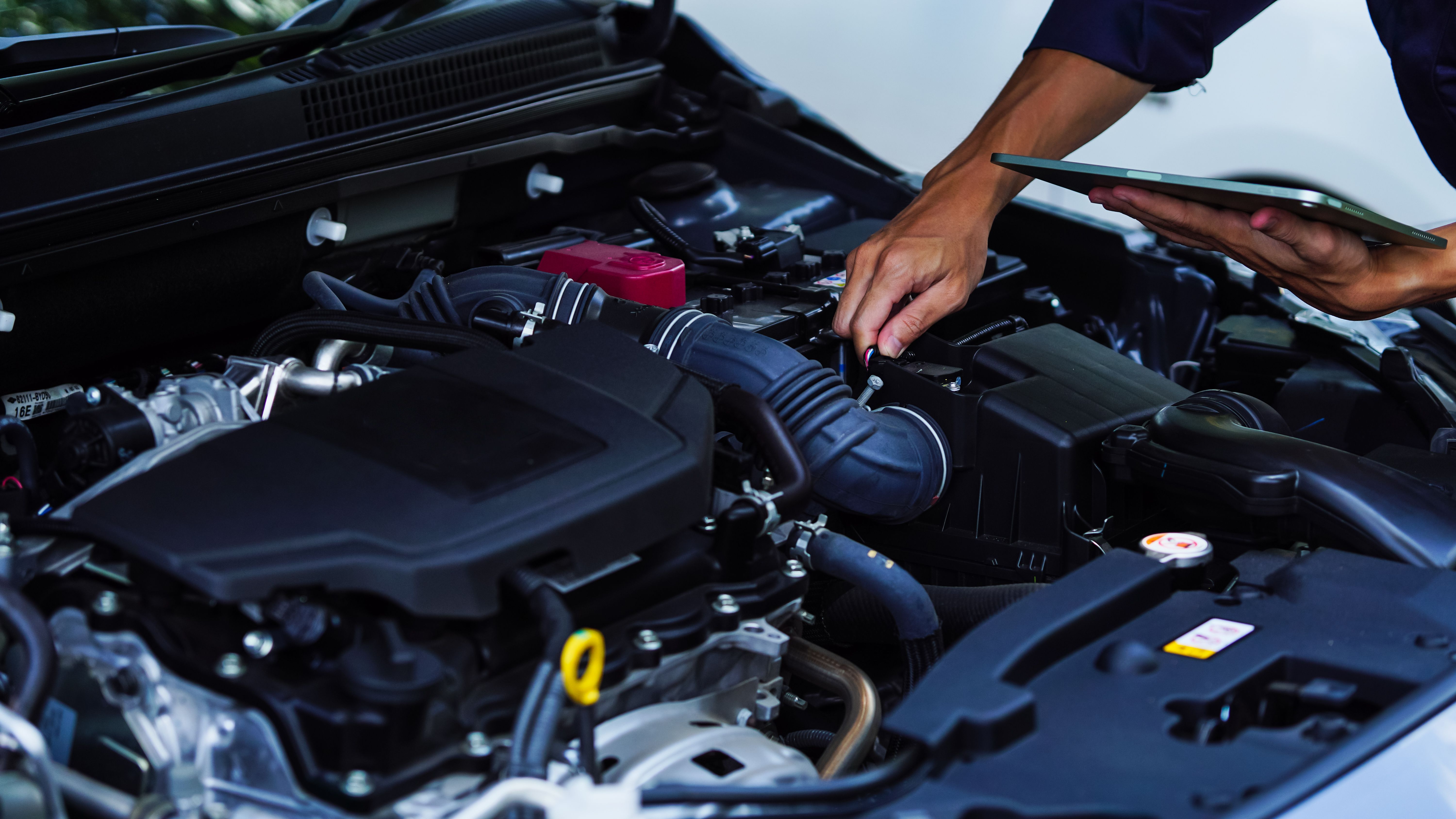
Regular engine diagnostics can help prevent minor issues from becoming major problems. By catching issues early, you can save money on repairs and extend the lifespan of your vehicle. Additionally, diagnostics can improve fuel efficiency and reduce harmful emissions, making your car more environmentally friendly.
When to Seek Professional Help
While a basic understanding of engine diagnostics can be helpful, certain issues require professional expertise. If you're unsure about a warning light or notice unusual noises or performance issues, it's best to consult with a certified mechanic. They have the tools and experience to accurately diagnose and fix the problem.
In conclusion, understanding engine diagnostics is an invaluable skill for Sanford drivers. By familiarizing yourself with the basics, you can ensure your vehicle remains in top condition and avoid unexpected breakdowns.