Understanding Florida’s Tire Regulations and How They Affect You
BT
Florida's Tire Regulations: What You Need to Know
If you're a driver in Florida, understanding the state's tire regulations is crucial for both safety and compliance. These regulations are designed to ensure that vehicles on the road are safe and efficient. By adhering to these guidelines, you can help prevent accidents and avoid potential fines.

Minimum Tread Depth Requirements
One of the key aspects of Florida's tire regulations is maintaining the minimum tread depth. The state requires that tires have a tread depth of at least 2/32 of an inch. This is essential for maintaining adequate traction, especially during wet conditions. To check tread depth, you can use a simple penny test by inserting a penny into the tire's tread groove. If you can see the top of Lincoln's head, it's time to replace your tires.
Proper Tire Inflation
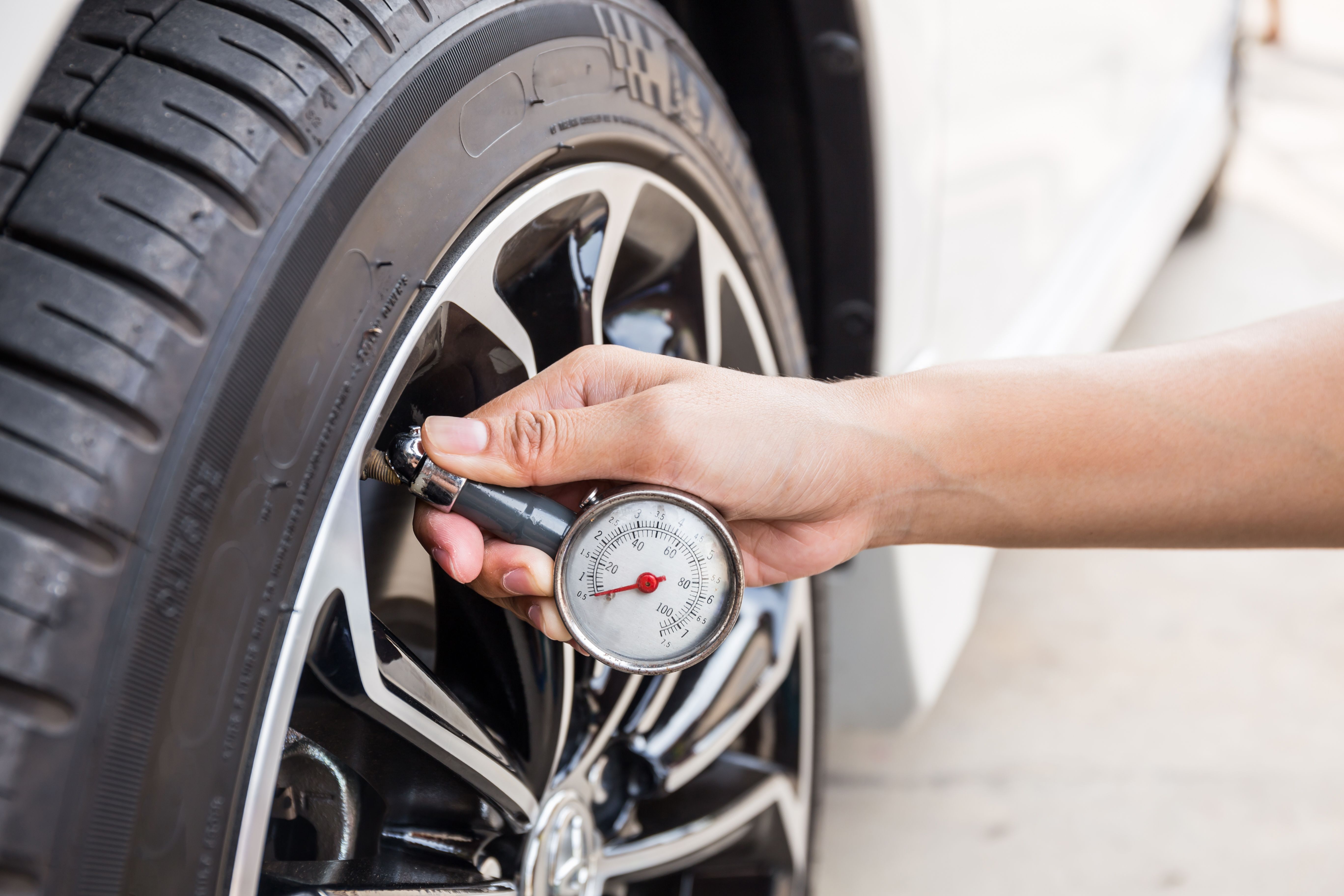
Another important factor is keeping your tires properly inflated. Under-inflated tires can lead to poor fuel efficiency and increased wear, while over-inflated tires may cause a harsher ride and potential blowouts. Ensure that your tires are inflated according to your vehicle manufacturer's recommended PSI, which can usually be found on a sticker inside the driver's door or in the owner’s manual.
Tire Maintenance and Inspections
Regular tire maintenance is not only recommended but also required by Florida law. This includes routine inspections to check for visible damage, such as cuts, punctures, or irregular wear patterns. Regularly rotating your tires can also help extend their lifespan and improve performance.
Legal Consequences of Non-Compliance
Failing to comply with tire regulations can lead to several legal consequences. If your vehicle is found with tires below the legal tread limit, you may receive a citation. Additionally, driving on unsafe tires increases the risk of accidents, which can result in legal liabilities.

Environmental Considerations
Proper tire maintenance also plays a role in environmental conservation. Well-maintained tires improve fuel efficiency, thereby reducing carbon emissions. Florida encourages drivers to recycle old tires properly, as discarded tires can pose serious environmental hazards.
How to Choose the Right Tires
Choosing the right tires for your vehicle can greatly impact your driving experience. Consider factors such as terrain, weather conditions, and vehicle type when selecting tires. Consult with a tire specialist if you're unsure about the best options for your needs.

Staying Informed and Safe
Staying informed about tire regulations and maintenance best practices is essential for safe driving. Regularly check local resources and updates to ensure that you remain compliant with Florida's laws. Safe tires mean safer roads for everyone.
By understanding and following these regulations, you not only protect yourself but also contribute to a safer driving environment for all Floridians. Keep your tires in check and enjoy a smoother, worry-free drive!